Charting Uncharted Transaction Trails: How Niche Vendors Merge Card Networks with Virtual Currencies in Emerging Markets
Written by Finley Braun · May 20, 2026
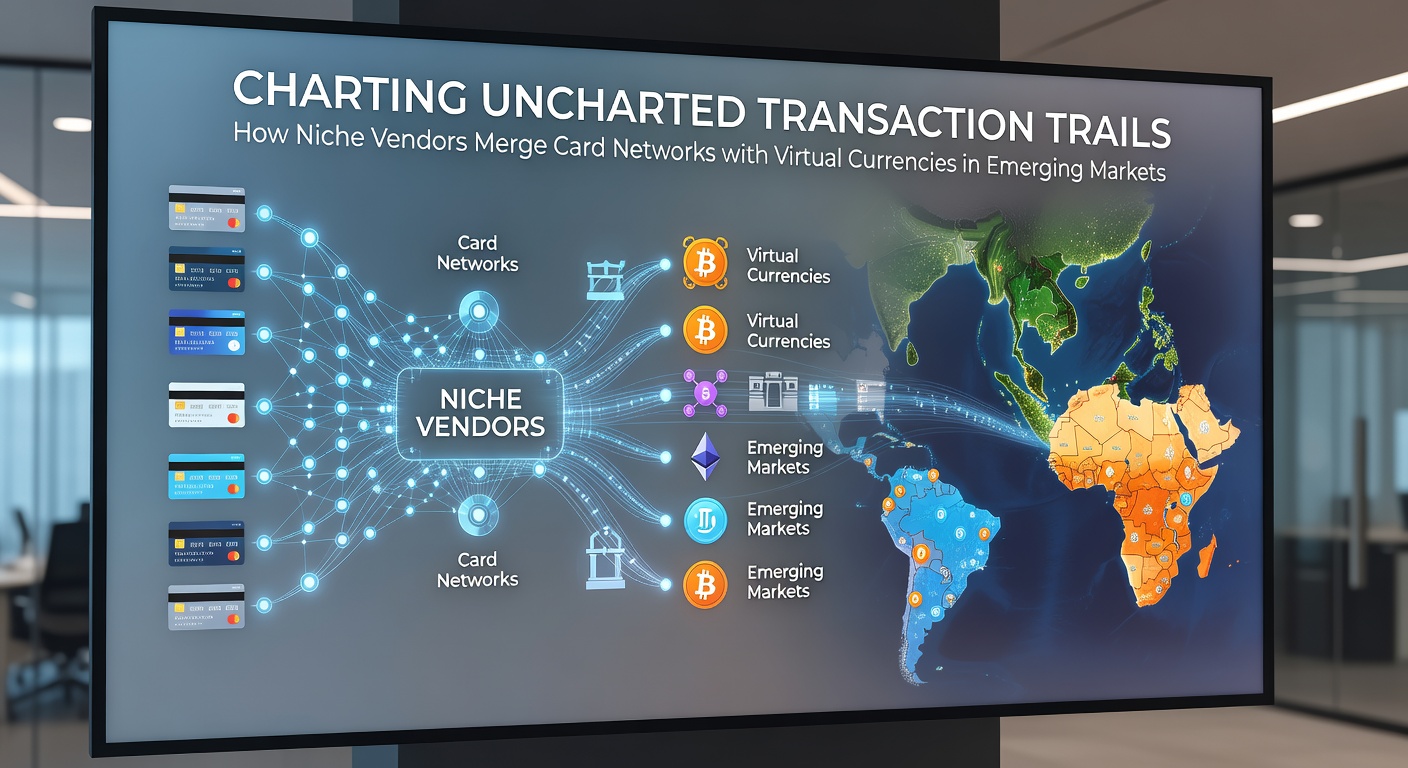
Charting Uncharted Transaction Trails: How Niche Vendors Merge Card Networks with Virtual Currencies in Emerging Markets
Emerging markets continue to see niche vendors develop hybrid systems that connect established card networks with virtual currency platforms, and these integrations target regions where traditional banking infrastructure remains limited yet mobile usage runs high. Research from the World Bank indicates that digital payment adoption in sub-Saharan Africa and parts of Southeast Asia reached notable levels by early 2026, with vendors combining Visa and Mastercard rails alongside stablecoins such as USDT to handle cross-border remittances and local merchant settlements. Observers note that this approach reduces settlement times from days to minutes while bypassing some correspondent banking fees that often exceed 5 percent in certain corridors.
Regional Adoption Patterns and Vendor Strategies
Vendors operating in Latin America have refined their models since 2024 by layering virtual currency options onto existing card gateways, and data shows that merchants in Brazil and Mexico now process mixed transactions where customers pay with local debit cards that instantly convert portions into tokenized assets for supplier payouts. What's interesting is how these systems maintain compliance with central bank guidelines issued in 2025, which require transparent reporting on virtual asset flows without mandating full separation from card infrastructure. Experts tracking these developments point to partnerships between smaller fintechs and established processors that allow real-time currency conversion while preserving the security protocols already embedded in card networks.
Similar patterns appear across South and Southeast Asia where population density and smartphone penetration create fertile ground for such hybrids. Studies from academic institutions in Singapore reveal that vendors there often route card authorizations through traditional acquirers before settling excess liquidity in virtual currencies to minimize foreign exchange volatility, and this method gained traction after regulatory updates in May 2026 clarified tax treatment for mixed-asset transactions. Those who've examined transaction data observe lower chargeback rates in these setups compared to pure card processing because virtual currency elements introduce additional verification layers that discourage fraudulent reversals.
Technical Integration Methods
Niche vendors achieve these merges through API bridges that translate card authorization messages into blockchain-compatible formats, and this technical layering lets merchants accept payments from both legacy terminals and digital wallets without separate hardware investments. According to findings published by the European Central Bank on fintech interoperability, such bridges rely on standardized messaging protocols that encrypt card data before it touches virtual currency ledgers, thereby maintaining PCI DSS compliance across the entire trail. People who've studied implementation timelines note that smaller vendors complete these integrations in weeks rather than months because they build upon open-source modules already tested in pilot programs across Kenya and Indonesia.
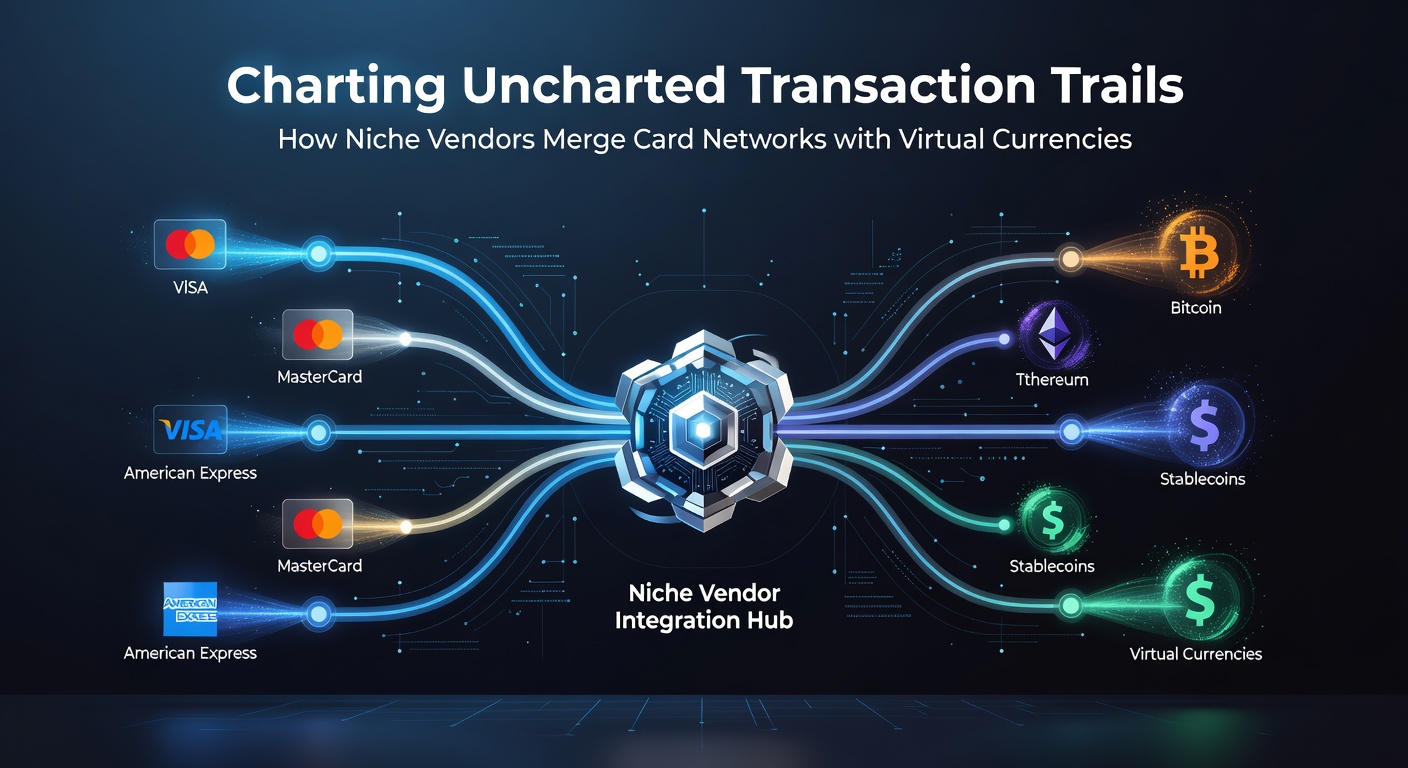
Security considerations remain central as vendors navigate potential vulnerabilities at the intersection points. Research indicates that multi-signature wallets and escrow mechanisms help isolate card-derived funds until conversion completes, and this isolation proves especially useful in markets where regulatory scrutiny intensified following global stablecoin framework discussions in late 2025. Observers tracking risk metrics report that hybrid setups demonstrate resilience during network outages because fallback routing to pure card channels preserves transaction continuity without requiring full system restarts.
Market Impact and Future Trajectories
Transaction volume statistics from industry reports highlight steady growth in hybrid payment corridors, particularly for e-commerce platforms serving unbanked sellers who previously relied on cash-on-delivery models. Data from the Australian Securities and Investments Commission on digital asset usage shows increasing merchant preference for these blended systems when expanding into cross-border sales, since virtual currency components streamline reconciliation across multiple jurisdictions. Vendors continue refining fee structures so that combined card and crypto routes undercut standalone options by margins that range between 1.2 and 2.8 percent depending on volume thresholds.
Regulatory evolution plays a direct role in shaping vendor roadmaps, with updates expected from various central banks throughout 2026 that may standardize reporting requirements for merged transaction trails. Those monitoring policy shifts note that jurisdictions emphasizing consumer protection have begun requiring clear disclosure of conversion rates at the point of sale, and this transparency measure supports broader trust in hybrid models without stifling innovation among smaller providers.
Conclusion
Niche vendors merging card networks with virtual currencies have established functional pathways that address both cost pressures and access gaps in emerging markets, and ongoing refinements in technology plus regulation suggest these systems will expand further. Evidence from multiple regions demonstrates measurable improvements in settlement speed and inclusion metrics, while security protocols adapted from traditional finance continue to anchor the newer elements. The landscape remains dynamic as vendors respond to evolving guidelines and user preferences, yet the core integration patterns already in place provide a foundation for sustained development.