Inside Automated Routing Engines: Businesses Refining Multi-Rail Transaction Paths for Speed, Compliance, and Cost Efficiency
Written by Finley Braun · May 22, 2026
Inside Automated Routing Engines: Businesses Refining Multi-Rail Transaction Paths for Speed, Compliance, and Cost Efficiency
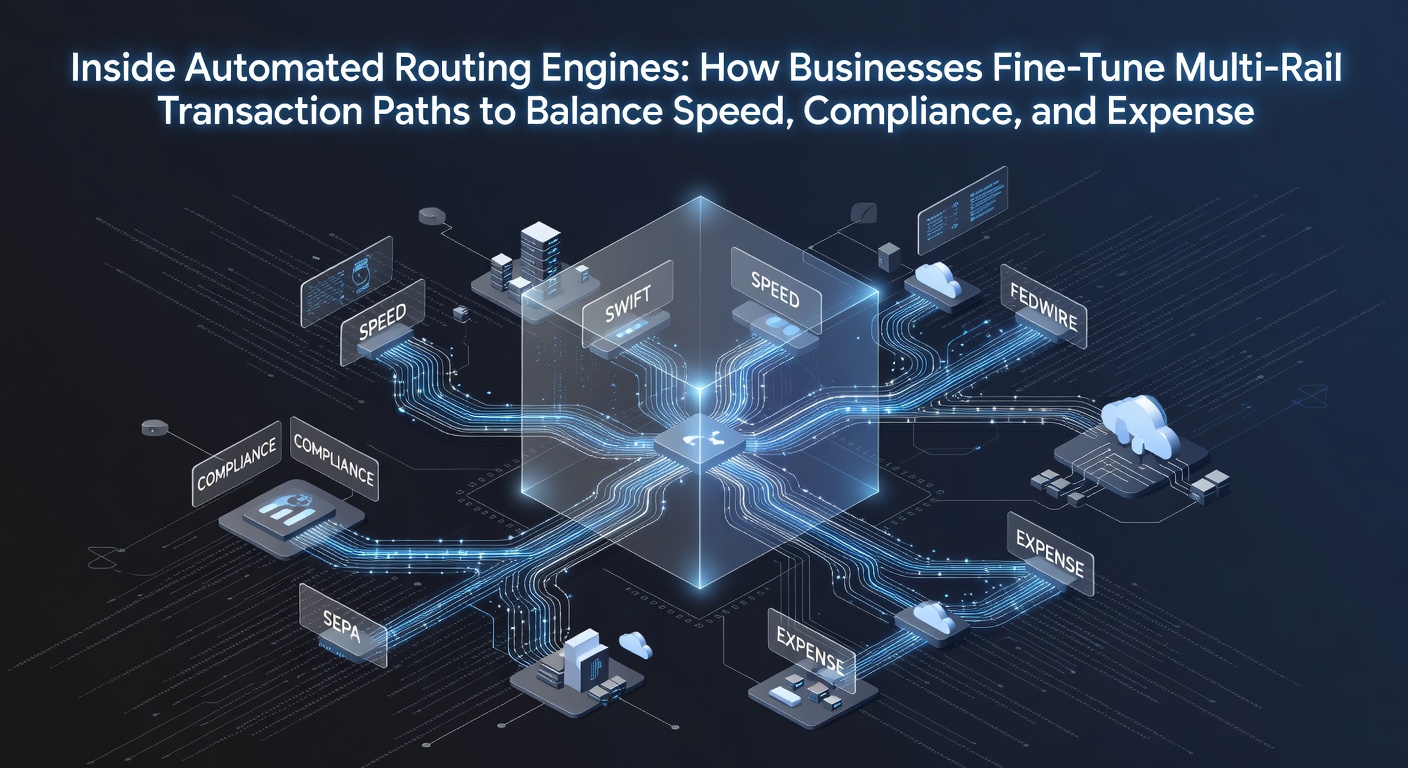
Businesses have turned to automated routing engines to manage transactions across multiple payment rails, where these systems evaluate real-time factors such as network availability, regulatory requirements, and fee structures before directing each payment. The engines operate by pulling data from various sources including transaction history, current compliance rules, and live cost metrics, then applying algorithms that select the optimal path without manual intervention. As of May 2026 observers note continued expansion in these technologies, particularly among firms handling high volumes of cross-border and domestic payments.How Routing Engines Process Multi-Rail Options
Routing engines begin by ingesting incoming transaction details, then cross-reference them against predefined rules for speed, compliance, and expense. One study revealed that organizations using these systems often achieve reduced processing times because the software can switch rails mid-evaluation if a preferred network shows delays. Data from industry reports indicates that multi-rail setups allow businesses to alternate between traditional card networks, bank transfers, and digital asset channels depending on the transaction profile.
Engine logic typically incorporates machine learning models trained on historical outcomes, so the system learns which combinations deliver consistent results under specific conditions. Researchers discovered patterns where engines prioritize faster rails for time-sensitive payments while reserving lower-cost options for routine transfers. Compliance checks run in parallel, scanning against regional regulations from bodies such as the European Central Bank and the Monetary Authority of Singapore, which helps maintain adherence across jurisdictions.
Balancing Speed with Operational Demands
Speed optimization forms a core function of these engines, where algorithms assign priority scores based on delivery estimates from each rail. Transactions flagged for urgency route through networks known for sub-second confirmations, while others proceed along paths that trade minor delays for other benefits. Evidence suggests firms in e-commerce sectors apply these adjustments during peak periods, resulting in fewer abandoned carts tied to slow authorizations.
Take one logistics company that integrated routing logic to handle supplier payments, where the system automatically shifted to instant rails during supply chain disruptions. Such adaptations rely on continuous data feeds from payment processors, allowing dynamic responses without staff oversight. What's interesting is how these adjustments scale across thousands of daily transactions, maintaining consistency even as rail conditions fluctuate.
Ensuring Compliance Across Diverse Regulations
Compliance integration occurs through rule engines that update automatically when new regulations emerge. Automated systems monitor changes from authorities including the Australian Securities and Investments Commission and the Bank of Canada, then adjust routing parameters accordingly. This approach reduces the risk of routing payments through non-compliant channels, particularly for businesses operating in multiple countries.
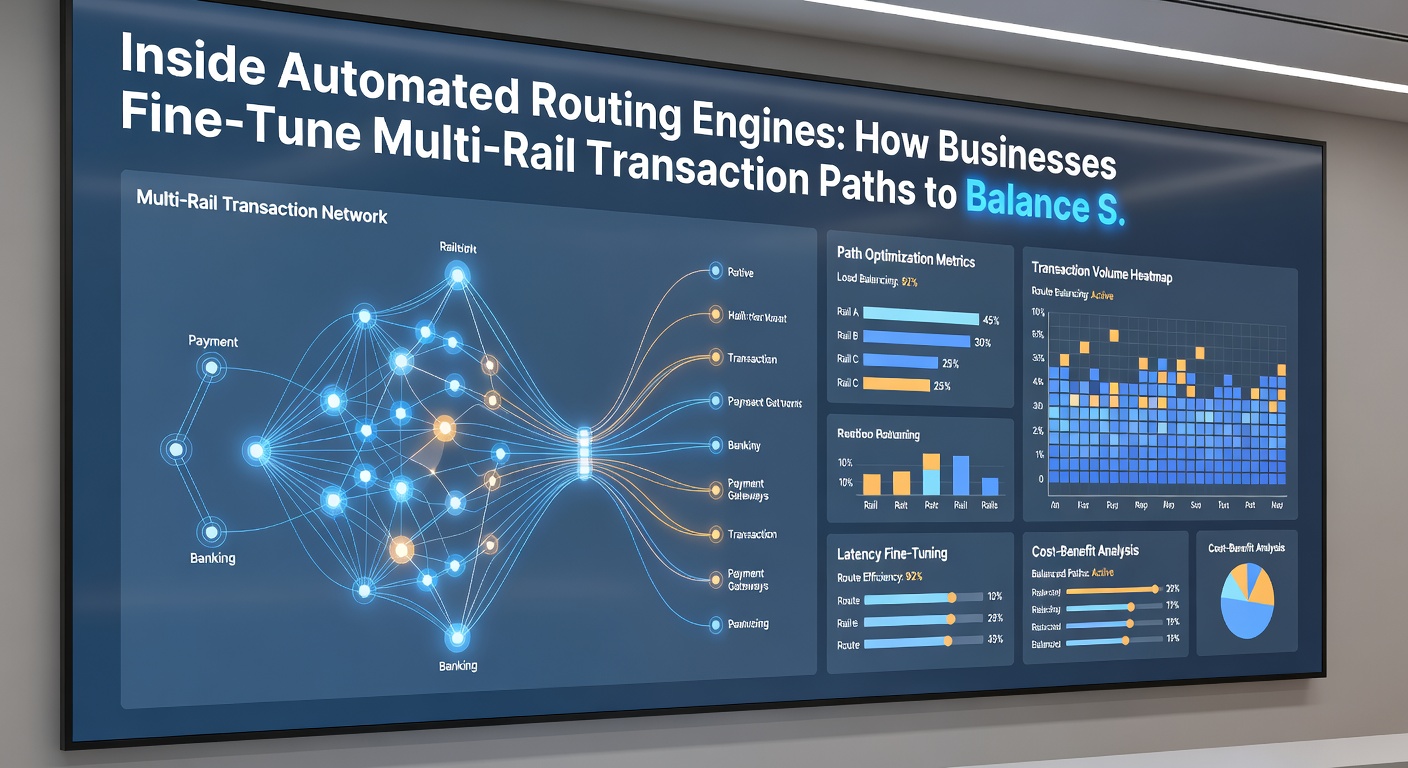
Observers note that engines maintain audit trails of every routing decision, which supports reporting requirements during regulatory reviews. Data shows that companies with automated compliance layers report fewer manual interventions compared to legacy manual routing methods. The systems also flag unusual patterns that might indicate potential violations, triggering alternative paths or holds until verification completes.
Managing Expense Through Dynamic Selection
Cost control represents another primary objective, where engines calculate total expenses including interchange fees, foreign exchange spreads, and rail-specific charges before finalizing a path. Businesses configure tolerance levels, allowing the system to select higher-cost rails only when speed or compliance demands it. Research indicates that fine-tuning these thresholds often leads to measurable reductions in overall payment overhead across large transaction volumes.
There's this case where experts found routing engines helped a retail chain lower annual expenses by routing domestic payments through lower-fee bank rails during off-peak hours. The algorithms factor in volume discounts and promotional rates offered by certain networks, updating selections as offers change. Those who've studied these implementations know that ongoing calibration based on actual results proves essential for sustained savings.
Implementation Patterns Observed in Practice
Organizations typically deploy routing engines through cloud-based platforms that connect to multiple payment service providers simultaneously. Integration involves mapping existing merchant accounts and defining business rules that reflect company priorities. Academic sources such as working papers from the Bank for International Settlements highlight how these connections enable seamless failover when one rail experiences outages.
Testing phases often precede full rollout, where simulated transaction batches reveal whether the engine meets speed, compliance, and cost targets. Adjustments follow from performance metrics, refining the weighting assigned to each factor. Industry organizations like the European Payments Council have documented similar deployment approaches among member firms seeking operational resilience.
Conclusion
Automated routing engines continue to evolve as tools that help businesses navigate the complexities of multi-rail transaction management. By processing speed, compliance, and expense considerations in real time, these systems support consistent outcomes across varying conditions. Data from ongoing implementations shows measurable impacts on operational efficiency when engines receive proper configuration and regular updates.