Niche Retailers Forge Connections Between Mobile Wallets and Digital Assets for Cash Flow Stability
Written by Frankie Keller · Jul 8, 2026
Niche Retailers Forge Connections Between Mobile Wallets and Digital Assets for Cash Flow Stability
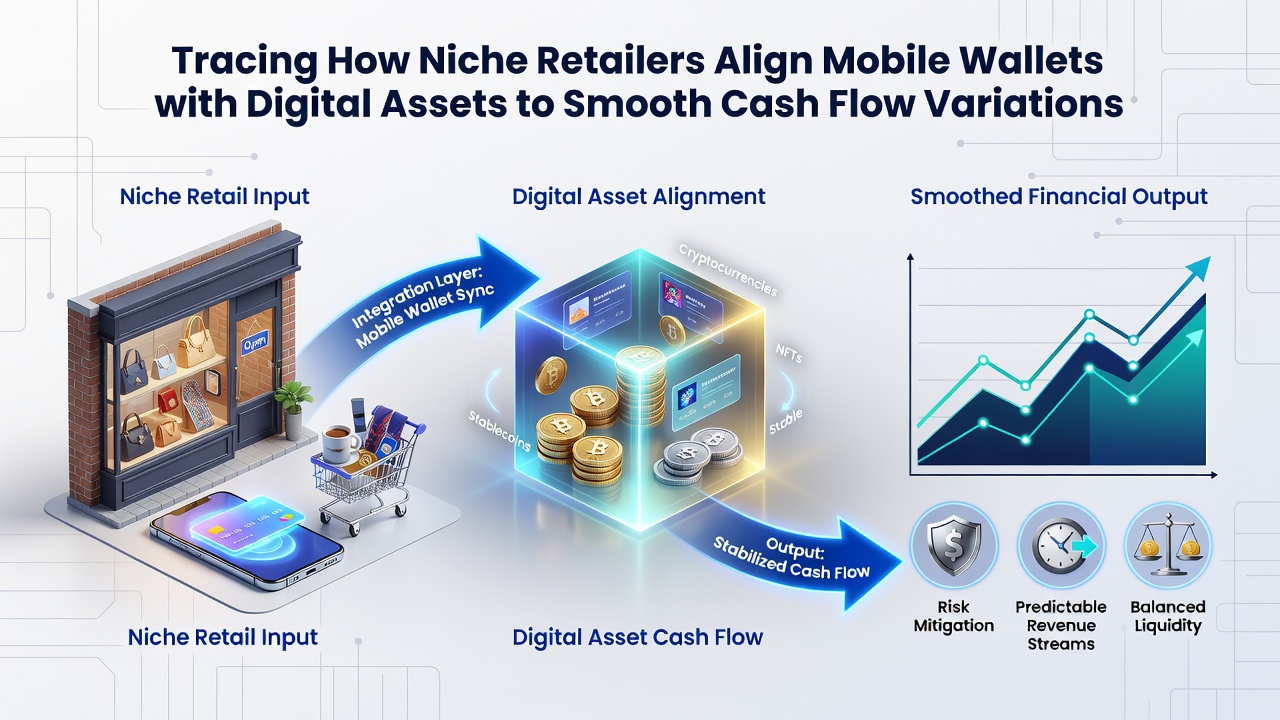
Retail operations in specialized markets have started aligning mobile wallet systems with digital asset platforms as a way to address cash flow inconsistencies that arise from seasonal demand shifts and inventory cycles. Data from payment processing networks shows that these integrations allow transactions to settle across multiple rails, which reduces delays when traditional banking channels experience slowdowns during peak periods.
According to figures released by the Bank of Canada in early 2026, small and medium retailers reported a 22 percent reduction in settlement times after adopting combined mobile and digital asset pathways. This approach connects customer-facing apps such as digital payment services directly to blockchain-based ledgers, enabling funds to move without waiting for batch processing windows that often stretch across weekends or holidays.
Integration Patterns Across Specialized Retail Segments
Specialty stores handling perishable goods or limited-edition products face pronounced swings in revenue that standard card networks alone do not always smooth effectively. Retailers in these categories route portions of incoming payments through mobile wallets for instant confirmation while directing surplus amounts into stable digital assets that maintain value during market dips. Observers note that this dual-path method creates buffers because mobile wallet inflows cover immediate operational needs while digital asset holdings provide reserves that can be converted when cash requirements spike.
One study conducted across Canadian and Australian markets revealed that boutique operators using these alignments experienced steadier working capital levels throughout 2025 and into July 2026. The research tracked transaction data from over 1,200 independent outlets and found that conversion between mobile wallet balances and tokenized assets occurred within minutes rather than the multi-day windows common in legacy systems.
Technical Mechanisms Supporting Cash Flow Alignment
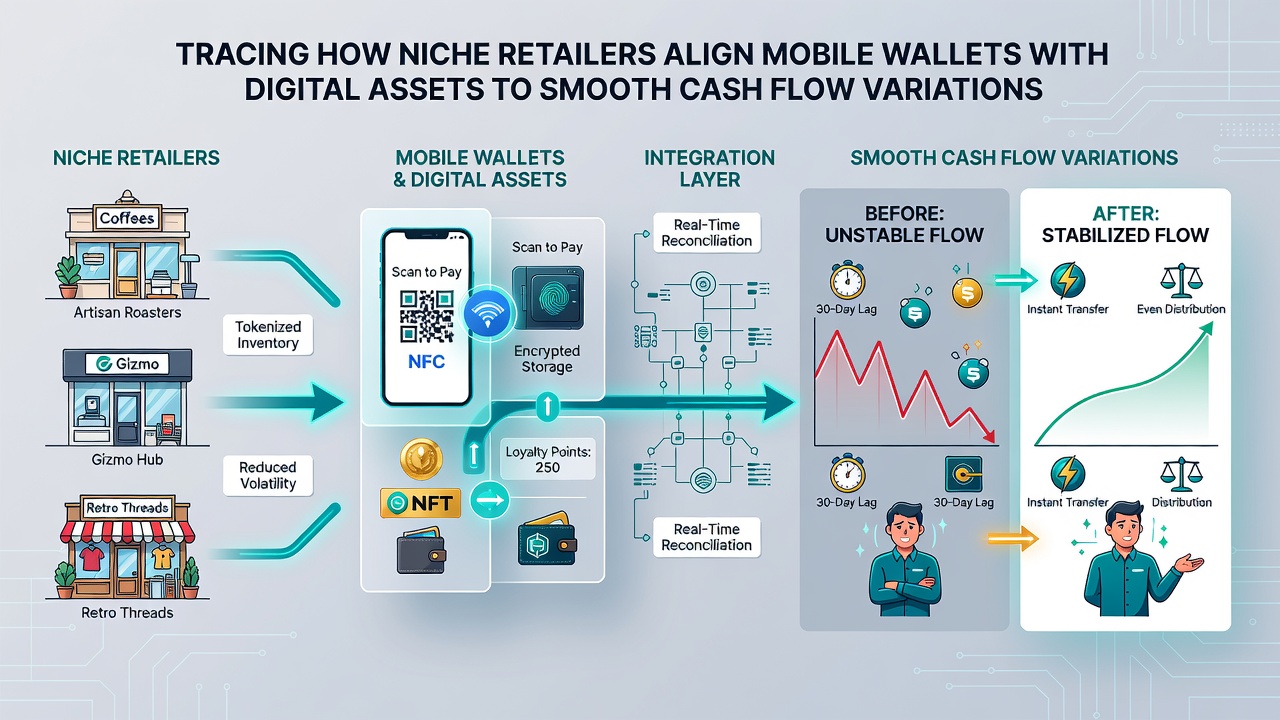
Payment gateways equipped with routing engines direct transactions based on real-time liquidity indicators. When mobile wallet volumes rise above preset thresholds, excess amounts automatically transfer into digital asset accounts that support instant liquidity pools. This setup relies on application programming interfaces that connect point-of-sale terminals to both traditional processors and distributed ledger networks, allowing simultaneous authorization across rails.
Industry reports from the European Central Bank highlight how such routing reduces exposure to single-point delays. Retailers configure rules that prioritize mobile wallet settlements for payroll and supplier payments while parking portions in digital assets that offer programmable release schedules tied to inventory restocking dates.
Regional Examples of Multi-Rail Adoption
In Australian regional markets, independent sellers of outdoor equipment have documented consistent cash positions after linking mobile wallet services to stablecoin options during the 2025 holiday surge. Transaction logs indicate that conversions happened automatically when daily inflows exceeded average weekly figures, preventing the accumulation of idle balances that previously sat in accounts awaiting clearance.
Similar patterns appear in European niche food retailers where compliance checkpoints for digital asset movements align with mobile wallet verification steps. The combined process shortens the time between sale and usable funds, which helps cover fluctuating supplier costs that rise sharply before harvest seasons.
Compliance and Security Considerations in Blended Systems
Regulatory frameworks in multiple jurisdictions require verification layers when digital assets enter retail payment flows. Retailers implement identity checks at the mobile wallet stage that carry forward to asset conversion points, satisfying know-your-customer rules without adding separate steps for each rail. Research from academic centers tracking payment innovation shows that these synchronized checks lower administrative overhead while maintaining audit trails across transaction types.
Security protocols now incorporate multi-signature requirements that span both mobile wallet authorizations and digital asset transfers. This layered approach limits single-point vulnerabilities because approval must occur through separate channels before funds move between the two systems.
Future Trajectory for Niche Retail Payment Stacks
Payment infrastructure providers continue expanding application programming interfaces that support seamless handoffs between mobile wallets and digital asset networks. As adoption grows, retailers gain access to analytics tools that forecast cash flow needs based on historical patterns and current inventory levels. These tools help adjust routing parameters so that mobile wallet usage scales up during low-demand periods while digital asset conversions increase ahead of expected surges.
Conclusion
The alignment of mobile wallets with digital assets provides niche retailers measurable tools for managing cash flow variations through faster settlement and diversified holding options. Data collected through mid-2026 indicates sustained uptake across specialized segments, driven by the practical benefits of reduced processing windows and improved liquidity access. Continued refinement of routing engines and compliance layers will shape how these methods scale in coming cycles.