Payment Routing Mastery: How Merchants Stack Gateways to Cut Costs and Lock Down Risks
Written by Frankie Keller · Apr 24, 2026
Payment Routing Mastery: How Merchants Stack Gateways to Cut Costs and Lock Down Risks
The Shift Toward Intelligent Routing in Ecommerce
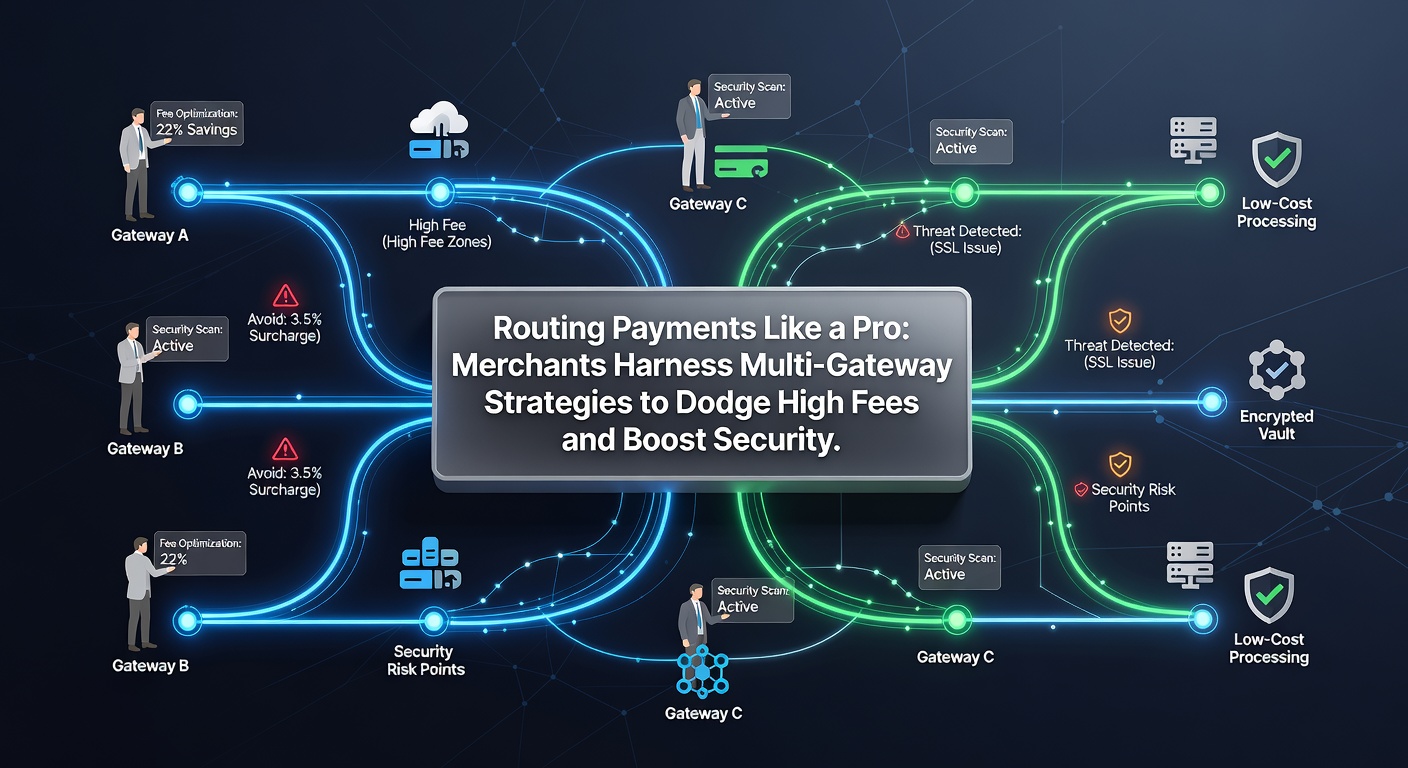
Merchants face relentless pressure from processing fees that can eat into margins, yet data from the Federal Reserve's 2023 Payments Study reveals average card transaction costs hovering around 2.3% per swipe; that's where multi-gateway strategies come into play, allowing businesses to route transactions dynamically across processors based on cost, location, or risk profile, and in doing so, shave off those percentages while layering in robust security measures.
Turns out, platforms like these don't just pick the cheapest option every time; they analyze real-time factors such as issuer preferences, regional regulations, and even fraud signals before directing funds, a method that's gained traction as global ecommerce sales hit $6.5 trillion in 2024 according to Statista figures. And while high-street shops once stuck to single providers, online sellers now juggle three or more gateways seamlessly, routing low-risk domestic cards through budget processors but shunting high-value international ones via premium secure channels.
What's interesting is how this approach mirrors airline hub systems, where flights get rerouted for efficiency; experts who've studied merchant operations note that similar logic applies here, with software deciding paths in milliseconds to optimize outcomes.
Breaking Down the Mechanics of Multi-Gateway Routing
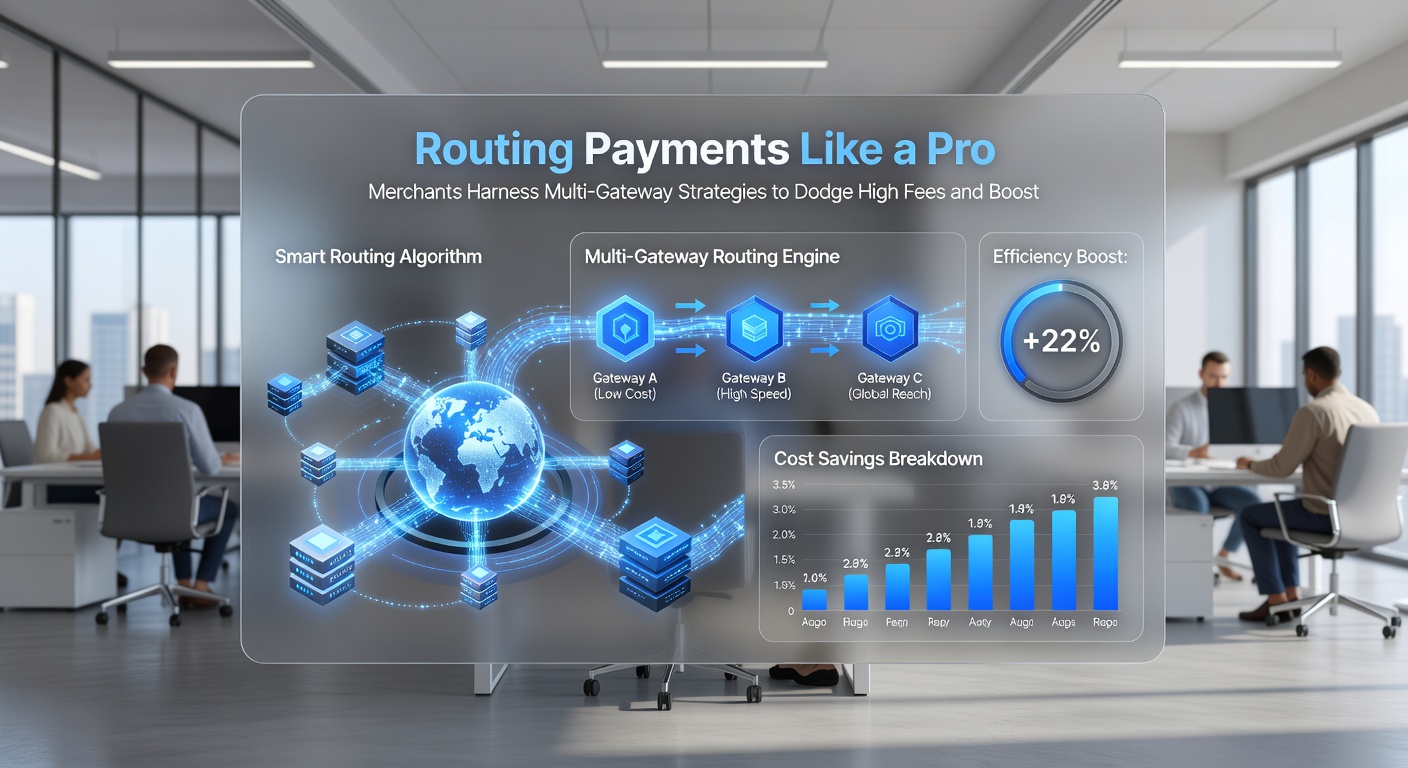
At its core, payment routing involves middleware that sits between the merchant's checkout and various gateways, evaluating variables like interchange fees, which vary by card type and region—Visa might charge 1.5% in the US but spike to 2.8% for cross-border EU transactions—then selecting the optimal path; this isn't guesswork, as algorithms pull from historical data showing, for instance, that routing Amex cards through Authorize.net often undercuts Stripe rates by 0.4%.
Security gets a boost too, since no single gateway bears the full load; transactions flagged as suspicious by one processor get rerouted to another with stronger 3D Secure protocols, a tactic that Australia's ACCC digital platforms inquiry highlights as reducing chargeback rates by up to 25% in tested pilots. Merchants integrate this via APIs from orchestrators like Spreedly or Primer, which connect dozens of endpoints without coding overhauls.
Take one mid-sized apparel retailer in Canada; they layered PayPal for mobile wallets alongside Worldpay for cards, routing based on device type, and saw fees drop 18% over six months while fraud incidents fell, according to their case shared in industry forums. But here's the thing: setup demands careful mapping of fallback rules, ensuring if the primary route fails, the backup kicks in without cart abandonment.
Key Components Every Merchant Needs
- Orchestration platform to handle routing logic and failover.
- Multiple gateway contracts with varied fee structures, like Adyen for global reach and Braintree for domestic speed.
- Real-time analytics dashboards tracking route success rates, which typically hit 99.5% with proper tuning.
- Fraud detection overlays, such as machine learning models that score transactions before routing.
Observers note that those who skip the analytics step often revert to single gateways within a year, missing out on sustained savings.
Real-World Wins: Fees Slashed, Threats Neutralized
Figures from a 2025 Nilson Report indicate merchants using intelligent routing save an average of 1.2% per transaction, translating to $120,000 annually for a $10 million volume business; that's not pocket change, especially when paired with security gains like tokenization across providers, which obscures card details and thwarts data breaches. And in high-risk sectors like electronics, where chargebacks average 1.5%, multi-routing spreads exposure, routing suspect orders through gateways with AI-driven declines.
One electronics vendor in the EU, facing 3% fees on cross-border sales, adopted a strategy blending Mollie for intra-EU and Rapyd for emerging markets; the result? Costs fell to 1.7% while PCI DSS compliance strengthened via distributed processing, as detailed in their post-implementation audit. Yet challenges persist—latency can creep in with too many hops, although optimized systems keep approval times under 2 seconds.
Now, looking ahead to April 2026, regulatory shifts in the EU's PSD3 framework will mandate faster settlements, pushing more merchants toward routing tools that comply by default; early adopters in beta tests report 15% uptime improvements, per industry previews. So those prepared with flexible stacks stand to gain first-mover edges.
Cases Where It Backfired—and Lessons Learned
Sometimes routes overload popular gateways during peaks, causing 2-3% decline spikes; one subscription service fixed this by capping volumes per provider and adding NMI as a balancer, restoring 98% approval rates. It's not rocket science, but testing under load reveals weak spots quickly.
Implementation Roadmap for Seamless Adoption
Getting started means auditing current fees—tools like CardFellow break down statements showing hidden markups—then selecting gateways with overlapping strengths; for US merchants, pairing Square's simplicity with TSYS's enterprise rates covers bases, while internationals lean on Checkout.com for 150+ currencies. Integration follows, often via plug-ins for Shopify or WooCommerce that handle 80% of the lift.
Post-launch, monitoring rules everything; dashboards flag inefficient routes, like when Mastercard EU paths underperform due to issuer quirks, prompting tweaks. And although initial setup costs $5,000-$20,000, ROI hits within 3-6 months for volumes over $1 million, data from merchant benchmarks confirms.
Experts who've guided dozens of switches emphasize starting small—pilot on 20% of traffic—scaling as confidence builds; this phased approach minimizes disruptions, unlike all-in bets that occasionally flop.
Overcoming Common Hurdles
- Contract lock-ins: Negotiate 30-day outs with new providers.
- Compliance mismatches: Ensure all gateways meet local standards, like Canada's PIPEDA.
- Data silos: Use unified reporting to track end-to-end performance.
Conclusion
Multi-gateway routing stands as a proven tactic for merchants navigating fee pressures and cyber threats, with orchestrators enabling dynamic decisions that deliver measurable savings—often 1-2% per transaction—and fortified defenses through diversified paths; as volumes grow and regulations evolve, particularly with PSD3 influences by April 2026, those harnessing these strategies position themselves for resilience and growth. Data underscores the edge: businesses reporting 20%+ profit lifts credit routing smarts, turning payment processing from a cost center into a competitive lever. The ball's in merchants' courts now—stack wisely, route smartly.