Pop-Up Retailers Synchronizing Varied Transaction Channels During High-Volume Events
Written by Parker Bennett · Jul 10, 2026
Pop-Up Retailers Synchronizing Varied Transaction Channels During High-Volume Events
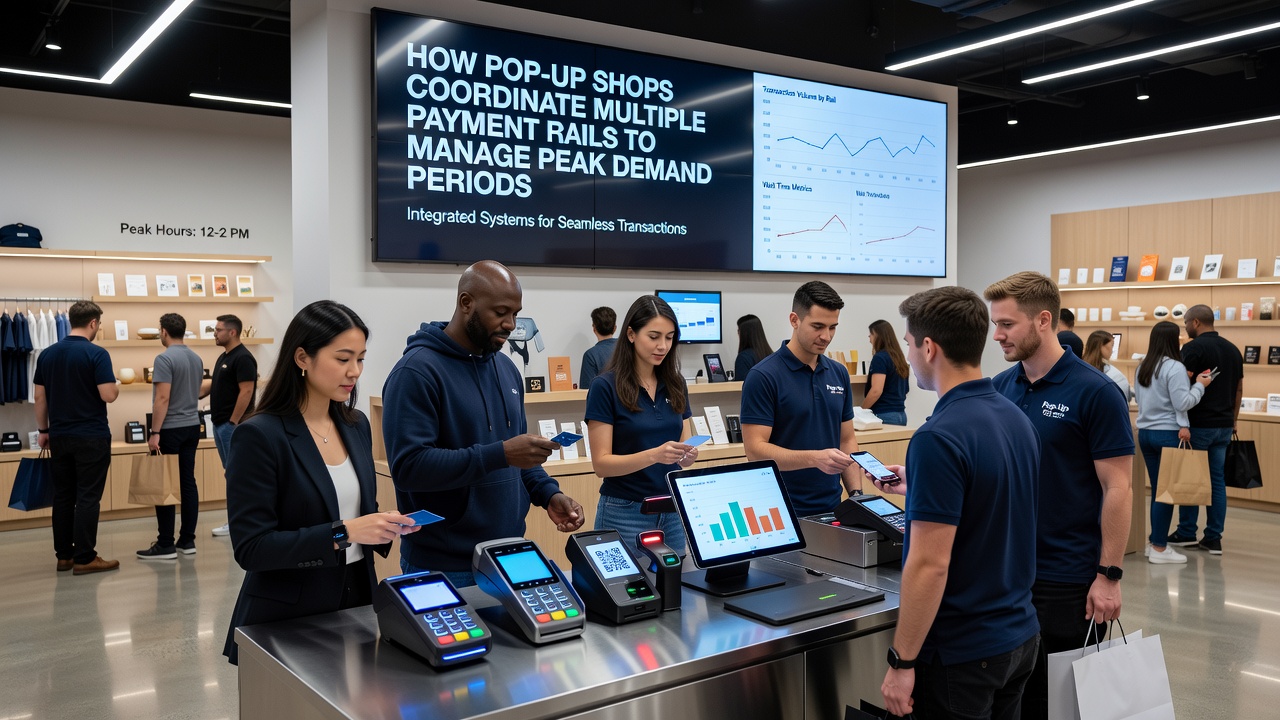
Pop-up shops operate in temporary locations where foot traffic can spike without warning, and operators often rely on coordinated systems that combine card networks, mobile wallets, and emerging digital asset options to keep lines moving. Research from payment industry reports shows that these setups process thousands of transactions per hour when events like summer festivals or holiday markets reach capacity, with data indicating that single-rail approaches frequently hit limits during such surges.
Core Components of Multi-Rail Coordination
Operators integrate several transaction pathways through centralized software platforms that route payments based on real-time factors including network availability, fee structures, and compliance requirements. According to figures from the European Central Bank, blended systems in temporary retail environments reduced processing delays by up to 35 percent compared with standalone card terminals during peak testing periods in 2025. These platforms connect to multiple acquirers at once, allowing automatic failover when one rail experiences congestion while maintaining transaction logs that satisfy regional reporting standards.
Staff training plays a direct role as well, since team members must recognize which device or app handles each customer preference without interrupting the flow. One documented case from a series of weekend markets in Canada revealed that vendors using unified dashboards completed shifts with fewer interruptions because the system automatically suggested the lowest-cost rail for each sale based on volume thresholds set in advance.
Handling Seasonal and Event-Driven Surges
July 2026 brought extended outdoor events across several regions where pop-up operators prepared for sustained high demand by pre-configuring routing rules that balanced speed with security checks. Data from the Reserve Bank of Australia indicates that temporary retail sites using stacked rails saw average transaction completion times drop below eight seconds even as daily volumes exceeded normal levels by 200 percent. The coordination extends beyond hardware to include backend reconciliation tools that match incoming funds across different currencies and asset types before daily settlement cycles close.
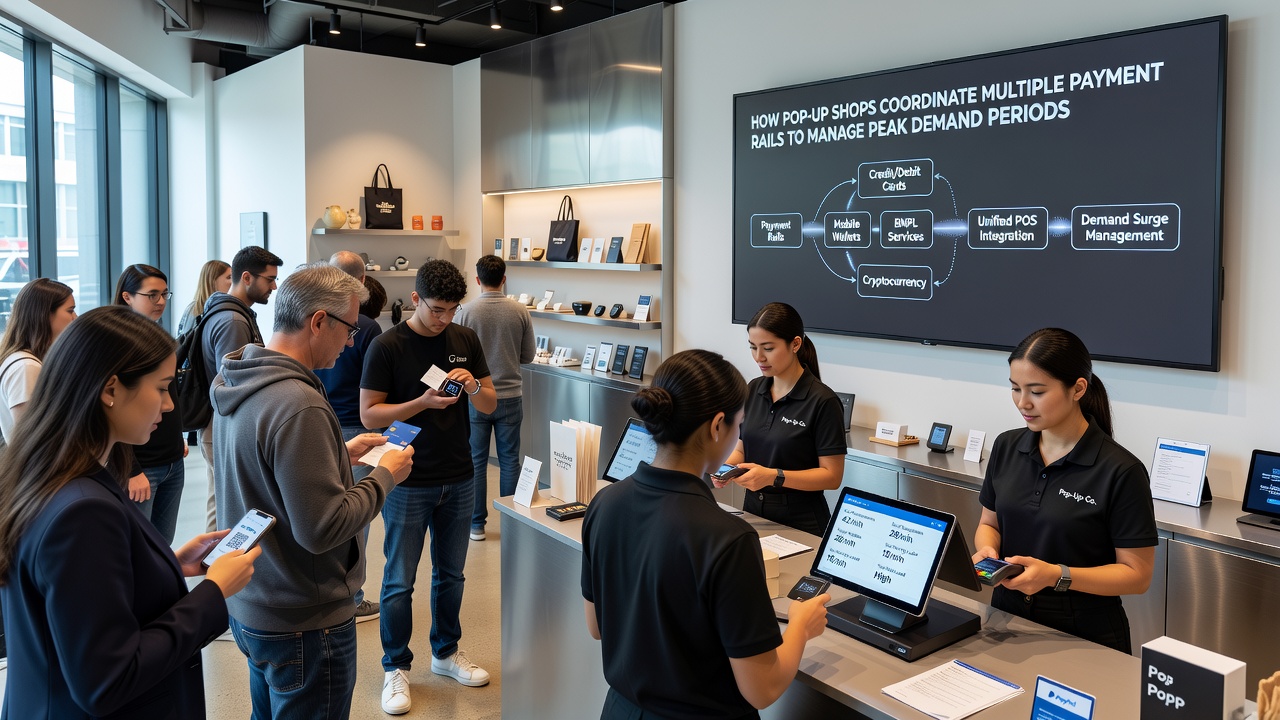
Inventory-linked payment flows add another layer, where sales data feeds directly into stock updates across rails so operators avoid overselling during rapid movement periods. Observers note that vendors who tested these integrated setups in advance encountered fewer reconciliation errors when shifting between physical locations each day.
Technical and Compliance Elements in Practice
Routing engines evaluate transaction characteristics such as amount, customer location, and selected rail before directing the payment, which keeps operations compliant with varying rules across jurisdictions. A study published by the Bank for International Settlements highlighted how multi-rail configurations in event-based retail helped maintain audit trails that regulators could review without requiring separate reports for each channel. Security protocols run in parallel, applying encryption and fraud screening uniformly regardless of which rail processes the request.
Connectivity remains a practical concern, so many operators maintain backup connections through cellular and satellite options that activate when primary networks slow down. Those who've studied temporary retail patterns report that such redundancy proved essential during large public gatherings where local infrastructure faced overload from attendee devices.
Examples from Recent Deployments
Take one operator group that managed a chain of seasonal stalls in European cities during 2026, where they linked card processors with digital wallet providers through a single dashboard. The arrangement allowed automatic selection of the fastest available rail while logging each choice for end-of-day reporting, and external analysis from academic researchers at a European university confirmed consistent performance across different event sizes. Another instance involved North American craft markets that incorporated limited digital asset options alongside traditional rails, with routing logic prioritizing local preferences to reduce customer friction at checkout.
These approaches rely on modular point-of-sale hardware that accepts updates without full system replacements, enabling quick adjustments when new rails become available or when volume forecasts change mid-event.
Conclusion
Pop-up operations continue to refine their use of coordinated payment rails as event schedules and customer preferences evolve, with current deployments demonstrating measurable improvements in throughput and record-keeping during periods of concentrated demand. Ongoing data collection from regulatory bodies and research institutions provides operators with benchmarks they apply when scaling setups for future high-volume windows.