Regional Operators Decode Synchronization Tactics in Mixed Mobile and Crypto Transaction Frameworks
Written by Parker Bennett · Aug 5, 2026

Regional Operators Decode Synchronization Tactics in Mixed Mobile and Crypto Transaction Frameworks
Regional operators across multiple markets have turned their attention to synchronization tactics that align mobile payment rails with cryptocurrency networks, and data from industry monitoring shows steady growth in these blended systems through mid-2026. Observers note that August 2026 brought new figures from cross-border transaction trackers indicating that operators in Asia-Pacific and Latin American regions processed higher volumes of simultaneous mobile and digital asset settlements compared with prior periods.
Core Components of Mixed Transaction Systems
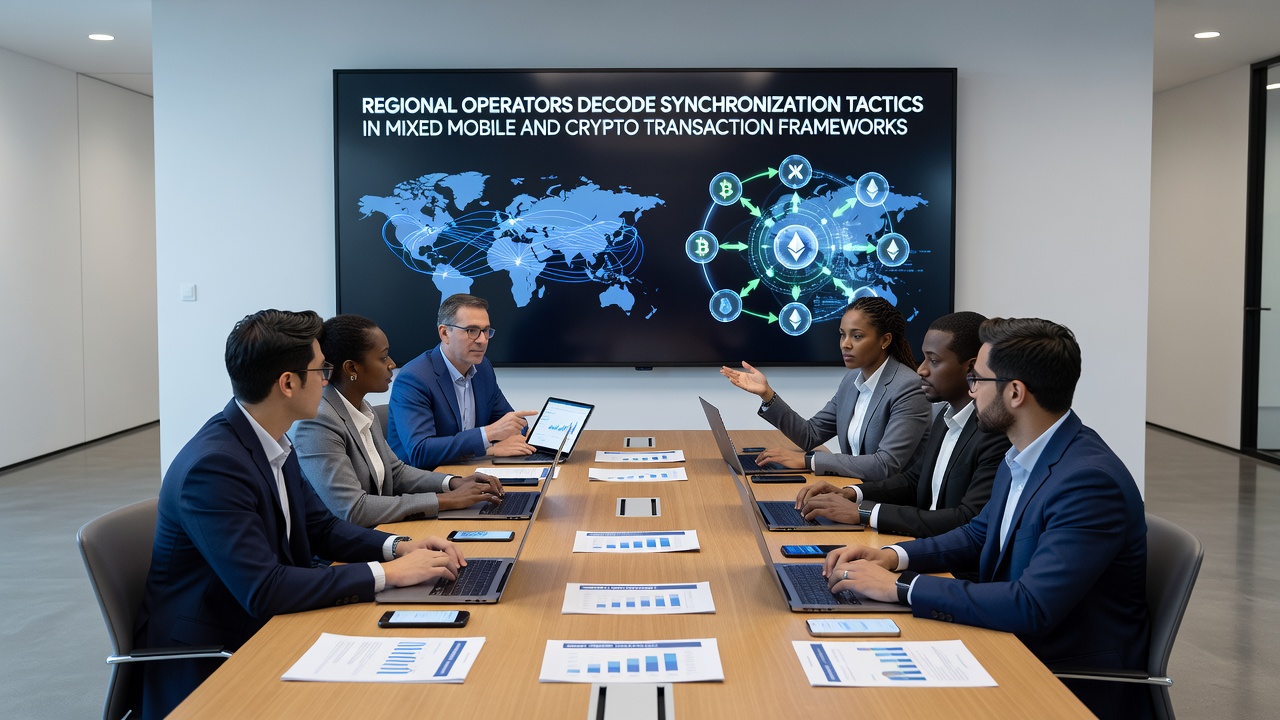
Mobile payment applications connect directly to banking infrastructure while crypto ledgers operate on decentralized protocols, which creates timing mismatches that operators must resolve through specific routing sequences and timestamp alignments. Researchers at academic institutions have documented how these alignments rely on application programming interfaces that pull real-time exchange rates and confirm settlement finality across both rails within the same transaction window.
One study released in 2025 highlighted that synchronization succeeds when operators implement sequential validation steps, beginning with mobile authorization and followed by blockchain confirmation checks that prevent double-spending events. Those who've examined transaction logs find that delays often occur at the point where fiat conversion meets crypto wallet updates, prompting the use of buffered queues that hold mobile-initiated requests until crypto network consensus completes.
Regional Variations in Synchronization Approaches
Operators in Southeast Asian markets tend to prioritize low-latency mobile gateways paired with stablecoin networks, whereas European counterparts focus on compliance checkpoints that verify anti-money laundering rules before crypto transfers finalize. Data shows that Australian financial authorities released updated guidelines in early 2026 requiring synchronized audit trails for any transaction crossing mobile and virtual asset boundaries.
Meanwhile, Latin American vendors have adopted hybrid checkpoint systems that flag discrepancies in currency conversion rates across the two frameworks, and reports from regional banking associations indicate these flags reduced settlement errors by measurable percentages during the first half of 2026. The Monetary Authority of Singapore published metrics showing that synchronized mobile-crypto volumes grew steadily in its jurisdiction, driven by merchants who integrated point-of-sale devices capable of triggering both payment types in a single customer interaction.
Technical Tactics for Alignment and Risk Reduction
Automated engines scan incoming requests and assign them to parallel processing paths that reconcile mobile confirmation codes with blockchain transaction hashes, and this method allows operators to maintain throughput even when one network experiences congestion. Observers point out that such engines often incorporate fallback protocols that reroute crypto settlements through alternative validators when primary nodes slow down, thereby preserving the overall transaction timeline.
Security layers include multi-signature requirements that apply to both mobile session tokens and crypto private key approvals, while compliance modules cross-reference customer identifiers against regulatory databases before releasing funds. Figures from Canadian research groups reveal that operators using these layered checks encountered fewer compliance queries during routine audits conducted throughout 2026.
Operational Adjustments Observed in 2026
Merchants in regional economies have adjusted their daily reconciliation procedures to account for the distinct settlement speeds of mobile networks versus crypto blocks, and many now schedule batch reviews at intervals that capture complete cycles from both systems. Training programs for staff emphasize recognition of synchronization alerts that appear when rate fluctuations exceed preset thresholds between the two asset classes.
Case examples from mid-sized vendors show that teams who mapped their transaction flows in advance experienced smoother integration when adding crypto options to existing mobile setups. These mappings typically chart every handoff point, from customer scan to final ledger entry, allowing operators to isolate and resolve bottlenecks without disrupting ongoing sales.
Conclusion
Regional operators continue to refine synchronization tactics that bridge mobile and crypto frameworks through targeted technical adjustments and compliance integrations, with evidence from 2026 indicating measurable progress in reducing settlement friction across diverse markets. Continued monitoring of these methods will likely shape how blended transaction systems evolve in subsequent periods.