Retail Chains Trace Compliance Checkpoints Across Blended Mobile and Digital Currency Networks
Written by Zoe Klein · Jun 1, 2026
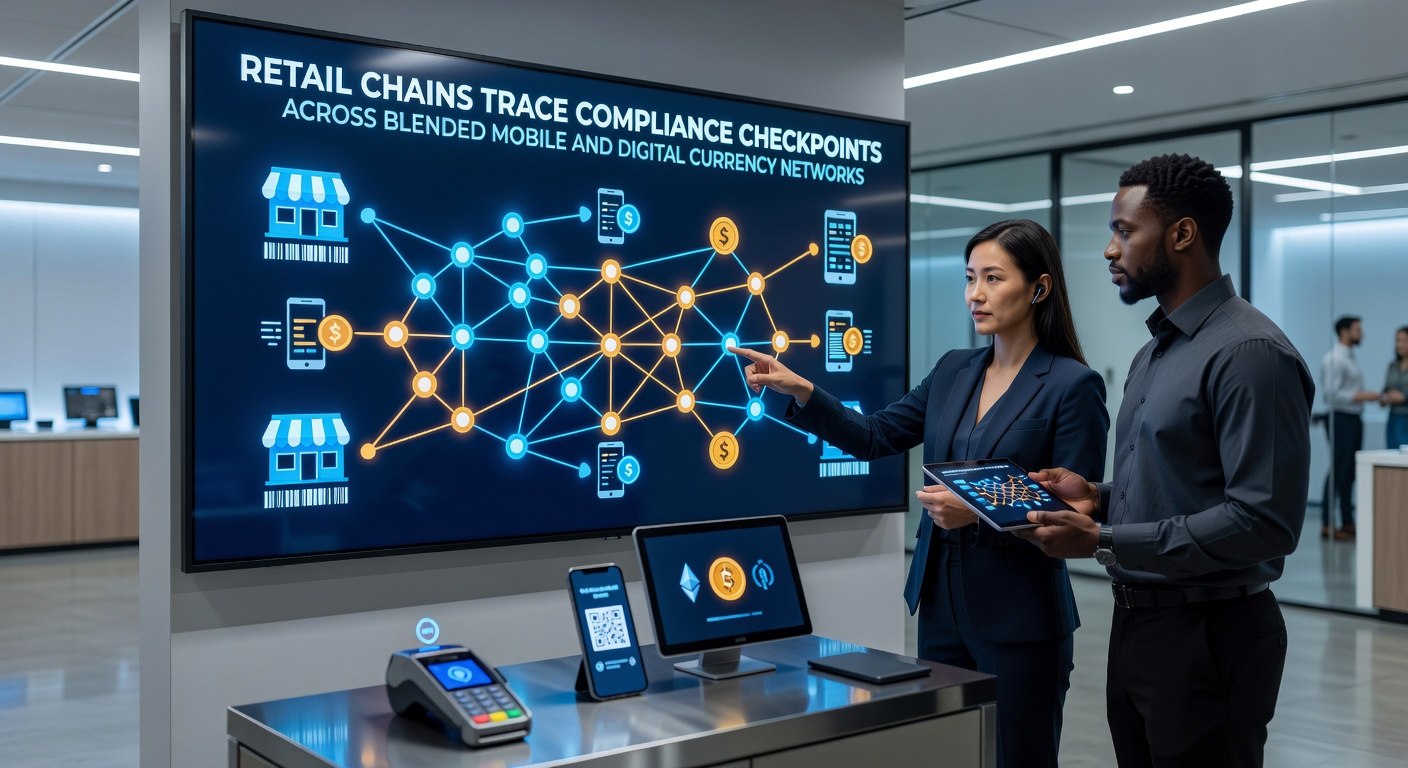
Retail Chains Trace Compliance Checkpoints Across Blended Mobile and Digital Currency Networks
Retail chains have developed systematic approaches to monitoring compliance checkpoints when mobile payment rails intersect with digital currency networks, and these methods continue to evolve as transaction volumes grow. Data from multiple industry reports shows that operators now track several distinct verification layers at each stage of a blended payment flow, from initial authorization through final settlement. Observers note that this layered tracing helps organizations meet obligations under varying regional rules without disrupting customer experience.
Understanding the Network Integration Points
Mobile applications connect directly to card networks while also interfacing with blockchain-based ledgers, creating multiple data exchange points that require separate compliance reviews. Research indicates that each integration point carries its own set of reporting requirements, and retail systems must log timestamps, wallet addresses, and device identifiers simultaneously. Those who manage these systems often rely on automated reconciliation engines to flag discrepancies between the two rails before transactions reach settlement.
June 2026 marked a notable shift when several large North American chains activated enhanced monitoring protocols aligned with updated guidance from the Financial Crimes Enforcement Network. At the same time, European operators aligned their procedures with directives issued by the European Central Bank, which emphasized real-time screening of digital asset transfers. These parallel developments prompted vendors to refine their checkpoint frameworks so that a single transaction could satisfy both sets of expectations.
Key Compliance Checkpoints in Practice
Retail operators typically establish five primary checkpoints across blended flows. The first occurs at customer onboarding, where identity verification combines traditional KYC data with blockchain address screening. A second checkpoint activates during payment authorization, comparing card details against digital currency whitelists maintained by the merchant processor. Additional stages include mid-transaction monitoring for velocity limits, post-settlement reconciliation between mobile ledgers and crypto records, and periodic audits of stored transaction metadata.
Studies from academic institutions such as the University of Toronto’s Blockchain Research Institute reveal that chains which automate these checkpoints reduce manual review time by measurable percentages. The same research highlights that organizations maintaining separate audit trails for each rail achieve higher pass rates during external examinations. Experts have observed that synchronization between mobile and digital currency logs remains essential, because mismatched timestamps frequently trigger secondary reviews by regulators.
Technological Tools Supporting Traceability
Software platforms designed for multi-rail routing now incorporate built-in compliance modules that tag each transaction segment with jurisdiction-specific markers. These modules draw from centralized databases maintained by regulatory bodies and update automatically when new rules take effect. Retail chains report that integrating these tools with existing point-of-sale systems allows staff to view compliance status in real time rather than after batch processing completes.

One documented implementation involved a European grocery chain that deployed routing software capable of splitting payments between mobile wallets and stablecoin transfers. The system automatically applied different screening rules based on transaction size and destination address, then generated unified reports for both local authorities and international partners. Figures from that deployment showed a reduction in compliance-related delays from several hours to under thirty minutes per batch.
Regional Variations and Reporting Standards
Requirements differ across jurisdictions, yet retail networks operating in multiple regions must satisfy overlapping standards simultaneously. Australian regulators through the Australian Securities and Investments Commission have emphasized consumer protection disclosures for digital currency portions of transactions, while Canadian authorities focus on anti-money laundering thresholds that trigger enhanced due diligence. Chains that maintain centralized compliance teams coordinate these varied demands through shared dashboards that surface jurisdiction-specific alerts.
Industry associations such as the National Retail Federation have published guidance documents outlining best practices for maintaining audit-ready records across blended networks. Those documents stress the importance of preserving original transaction metadata rather than relying solely on aggregated summaries. Retailers who follow these recommendations report smoother interactions during routine examinations by oversight agencies.
Conclusion
Retail chains continue to refine their methods for tracing compliance checkpoints as blended mobile and digital currency networks expand. The combination of automated tools, synchronized logging, and jurisdiction-aware routing engines provides measurable improvements in both speed and regulatory adherence. Organizations that align their internal processes with evolving standards from bodies such as FinCEN and the European Central Bank position themselves to handle future volume increases without introducing additional friction for customers or staff.