Seasonal Cash Flow Maps: How Regional Vendors Time Multi-Rail Setups During Holiday Surges
Written by Frankie Keller · Jun 12, 2026
Seasonal Cash Flow Maps: How Regional Vendors Time Multi-Rail Setups During Holiday Surges
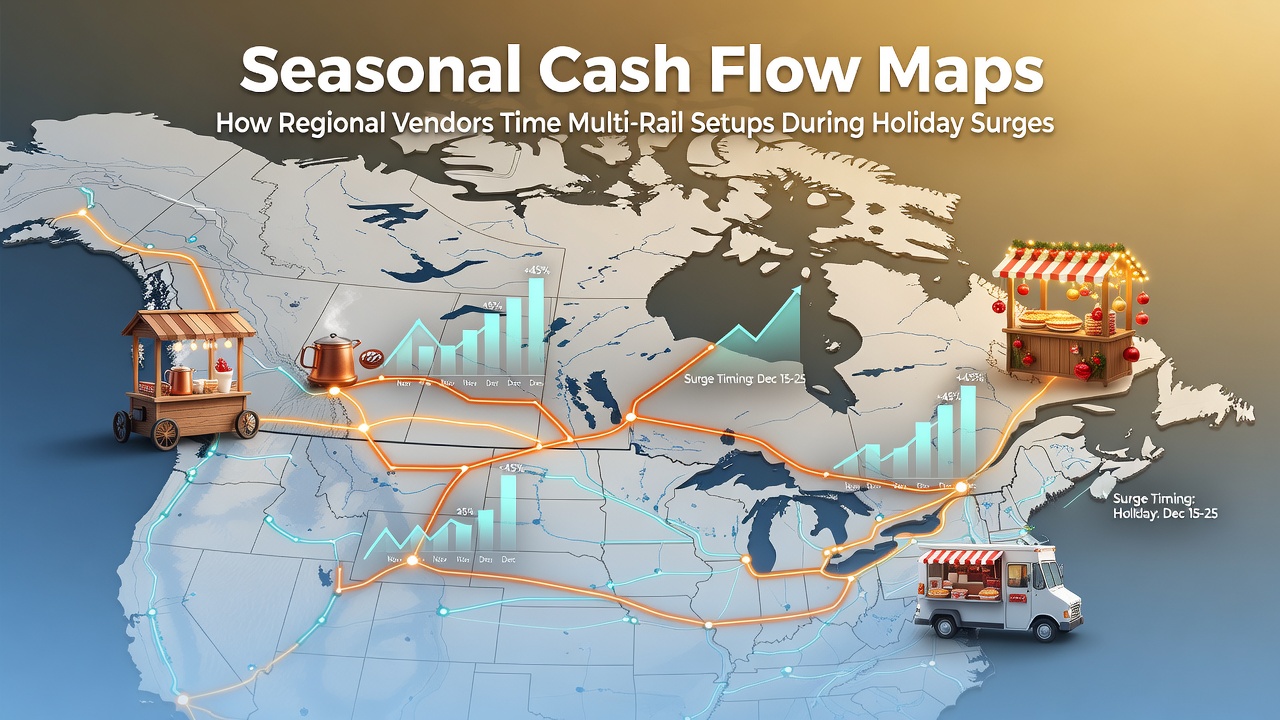
Regional vendors map cash flow patterns with precision because holiday periods create predictable spikes in transaction volume that stretch single-rail systems beyond capacity; data from payment networks shows December volumes often rise 40 to 70 percent above baseline months while October and November see steady climbs tied to early promotions. Observers note that businesses in North America and Europe prepare setups months ahead by layering card networks with digital asset rails and mobile options to maintain settlement speed when consumer spending peaks.
Seasonal cash flow maps function as visual timelines that plot expected inflows against known outflow points such as inventory restocking and payroll cycles; researchers at academic institutions have documented how vendors overlay these maps with historical transaction data from prior years to identify windows when adding a second or third rail reduces processing delays. In practice this means a vendor in the Midwest United States might activate crypto settlement channels in early November once card volumes exceed 65 percent of daily capacity while a counterpart in Southeast Asia times mobile wallet integration to coincide with regional festival calendars that overlap Western holidays.
Mapping Regional Timing Differences
Geographic variations shape when vendors initiate multi-rail configurations because cultural shopping events and banking holidays differ across markets; figures from the European Central Bank reveal that southern European countries experience sharper surges around mid-December whereas northern markets see earlier lifts tied to Black Friday imports. Vendors therefore adjust activation sequences so that compliance checks for digital asset rails complete before local peak days arrive.
One documented case involves Canadian retailers who begin routing tests in June 2026 for systems that blend traditional card rails with emerging virtual currency options; this timeline allows 180 days for regulatory alignment and liquidity buffer building before November volume ramps begin. Similar patterns appear in Australian markets where vendors coordinate with the Australian Payments Network to schedule mobile payment expansions ahead of December consumer rushes.
Technical Sequencing of Multi-Rail Activation
Vendors follow a staged process when layering rails because abrupt additions risk settlement mismatches during high-velocity periods; first they run parallel transaction simulations on test environments to measure latency across card, mobile, and digital asset paths then they enable live failover mechanisms once error rates drop below 0.5 percent. Studies from research institutions indicate that businesses using automated routing engines reduce average settlement time from 48 hours to under 12 hours when multiple rails operate concurrently.
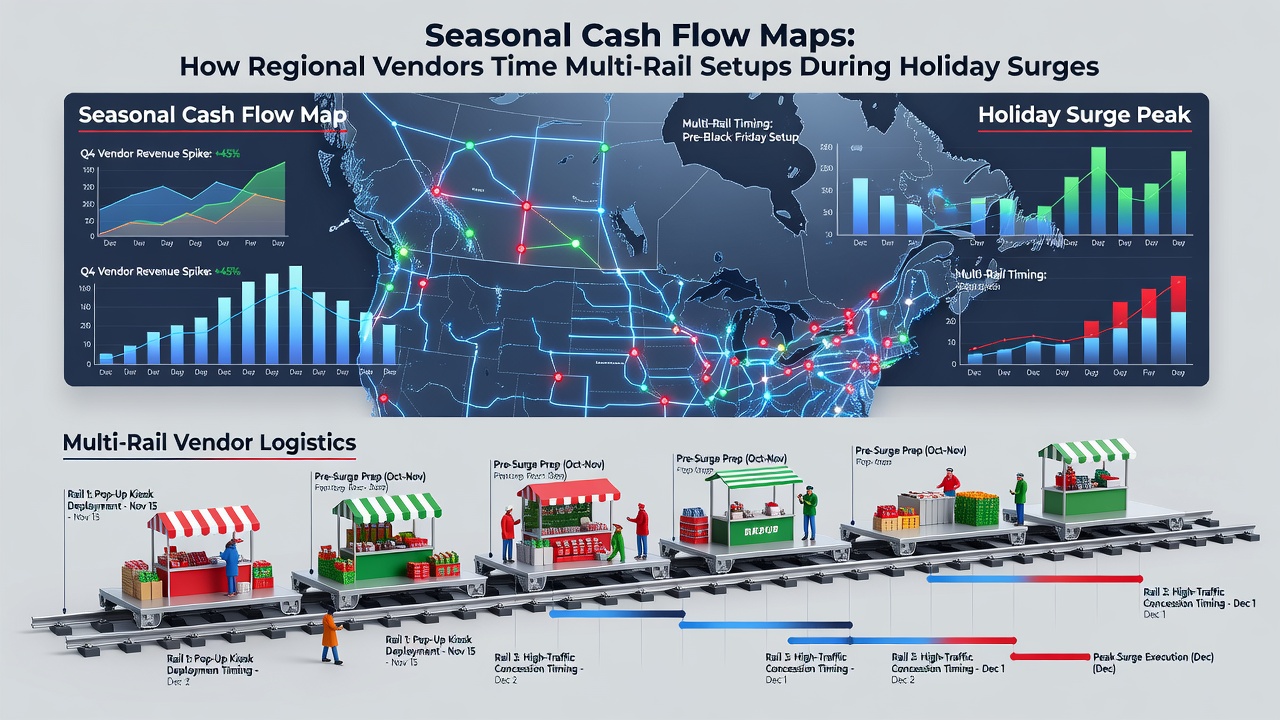
Funding cycles tighten when holiday demand hits because incoming card authorizations must convert to usable liquidity faster than standard cycles allow; vendors therefore pre-fund secondary rails with reserve balances calibrated to expected surge percentages. Data indicates that those who time crypto rail activation two weeks before major shopping weekends maintain steadier cash positions than peers relying solely on card networks.
Compliance and Liquidity Coordination
Regulatory checkpoints vary by region so vendors sequence rail additions to satisfy anti-money-laundering reviews without interrupting live processing; reports compiled by the Bank for International Settlements show that staggered onboarding reduces compliance bottlenecks during fourth-quarter volume increases. Regional vendors often complete digital asset licensing in Q2 or Q3 so that holiday operations proceed under fully vetted frameworks.
Payment routing engines play a central role because they automatically shift transactions between rails based on real-time cost and speed metrics; when card networks experience temporary congestion the engines divert portions to mobile or crypto paths that clear faster. Observers tracking merchant behavior note that this dynamic allocation keeps overall cash flow maps aligned with projected holiday inflows.
Conclusion
Seasonal cash flow maps provide the framework regional vendors use to schedule multi-rail setups ahead of holiday surges because historical volume patterns combined with regulatory timelines determine optimal activation points. By layering card, mobile, and digital asset options according to region-specific data businesses sustain settlement velocity while meeting compliance requirements throughout peak trading periods.