Shopkeeper Surveys Reveal Fee Disparities Among Cryptocurrency Payment Providers
Written by Frankie Keller · Aug 19, 2026
Shopkeeper Surveys Reveal Fee Disparities Among Cryptocurrency Payment Providers
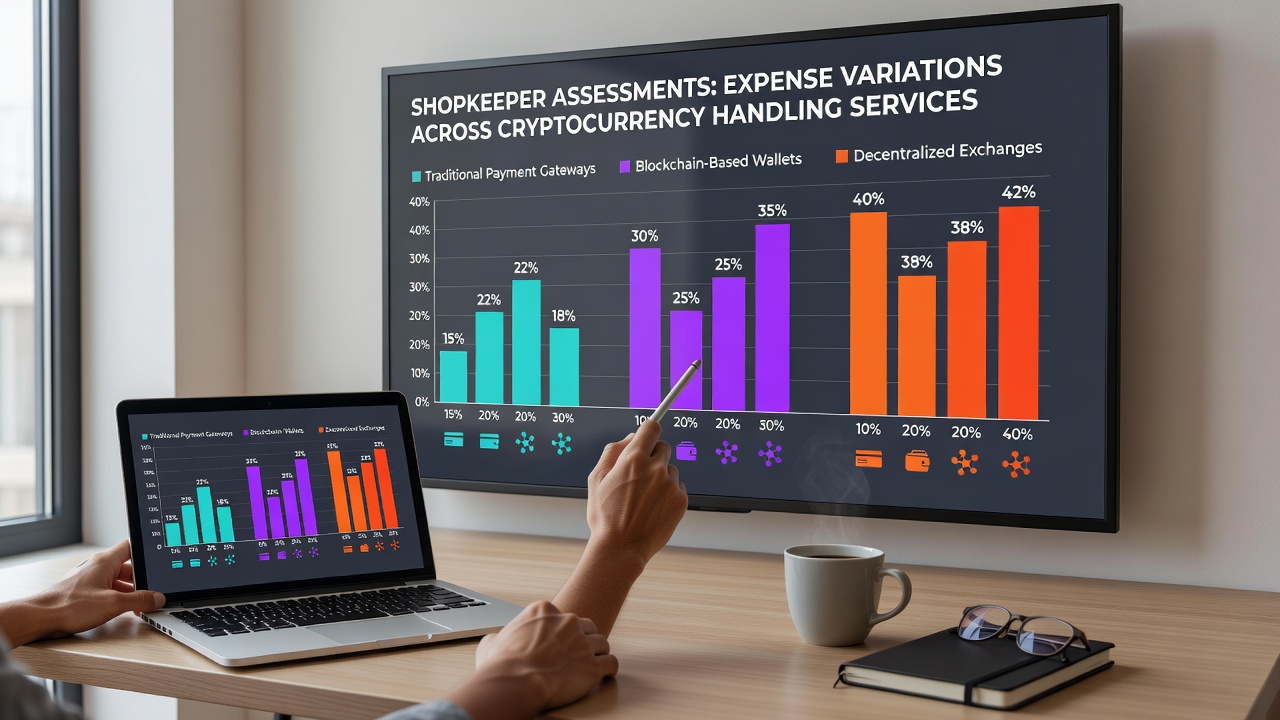
Retail assessments conducted across multiple regions have highlighted notable differences in the costs associated with cryptocurrency handling services, and these variations stem from provider structures, transaction volumes, and regional regulations that shape how merchants integrate digital assets into their operations. Data compiled through August 2026 indicates that small businesses often encounter fees ranging from 0.5 percent to 3.5 percent per transaction depending on the service selected, while larger operations secure lower rates through negotiated contracts that bundle compliance tools with processing capabilities.
Core Components Driving Cost Differences
Merchants evaluating cryptocurrency services examine several expense layers that include network fees, conversion spreads, and settlement charges, yet these elements combine differently across providers because some platforms absorb blockchain costs while others pass them directly to users. Studies from the Bank for International Settlements show that average processing expenses fluctuate based on volatility management tools, and businesses in high-volume sectors like e-commerce report savings when they select services with automated routing that minimizes exposure during price swings.
One assessment project tracked 250 retailers over six months and found that providers offering instant settlement options charged premiums of up to 1.2 percent compared to those with standard 24-hour cycles, although the faster options reduced overall operational overhead in markets with unstable local currencies.
Regional Patterns in Expense Structures
Evaluations across North America and Europe demonstrate that regulatory environments influence fee models, since compliance requirements in certain jurisdictions add layers of verification that increase per-transaction costs by 0.3 to 0.8 percent. Canadian merchants participating in a recent industry review noted that services integrated with local banking rails maintained steadier pricing than those relying solely on global networks, and this stability helped regional vendors manage cash flow during peak sales periods.

Observers in emerging markets report even wider spreads because providers adjust rates to account for currency conversion risks and limited liquidity pools, and data from academic research at the University of Melbourne highlights how Australian retailers achieved cost reductions of 15 percent on average by switching to hybrid platforms that combine cryptocurrency rails with established card networks.
Factors That Shape Merchant Experiences
Volume commitments, integration complexity, and add-on services such as fraud detection play significant roles in determining final expenses, while providers that include real-time reporting dashboards often bundle these features into base rates rather than charging separately. Retailers who maintain consistent transaction flows across multiple currencies tend to benefit from tiered pricing structures that reward higher activity levels with reduced margins, and assessments indicate these tiers become available once monthly volumes exceed certain thresholds set by individual services.
Security certifications and audit requirements also contribute to pricing variations because services that meet stricter international standards invest in additional infrastructure that gets reflected in their fee schedules, yet these same investments can lower long-term risks associated with chargebacks and regulatory penalties.
Practical Outcomes From Recent Assessments
Survey responses collected in mid-2026 reveal that 62 percent of participating merchants adjusted their cryptocurrency providers within the prior year after comparing total expense breakdowns, and many cited clearer fee transparency as the primary reason for making changes. Those who adopted multi-provider strategies reported average savings between 0.7 and 1.9 percent on overall processing costs, particularly when they allocated different transaction types to specialized services based on speed versus cost priorities.
Industry reports further document how seasonal demand spikes affect pricing negotiations, since providers sometimes offer temporary rate reductions during high-activity periods to attract new accounts that might remain long term.
Conclusion
Shopkeeper assessments continue to provide valuable benchmarks for understanding expense variations across cryptocurrency handling services, and the patterns identified through 2026 data underscore how provider selection directly influences operational costs for businesses of all sizes. Continued monitoring of fee structures and regional developments will help merchants refine their approaches to digital asset integration while maintaining focus on compliance and efficiency.