Specialized Point-of-Sale Deployments in Virtual Asset Exchange Networks
Written by Zoe Klein · Jun 3, 2026
Specialized Point-of-Sale Deployments in Virtual Asset Exchange Networks
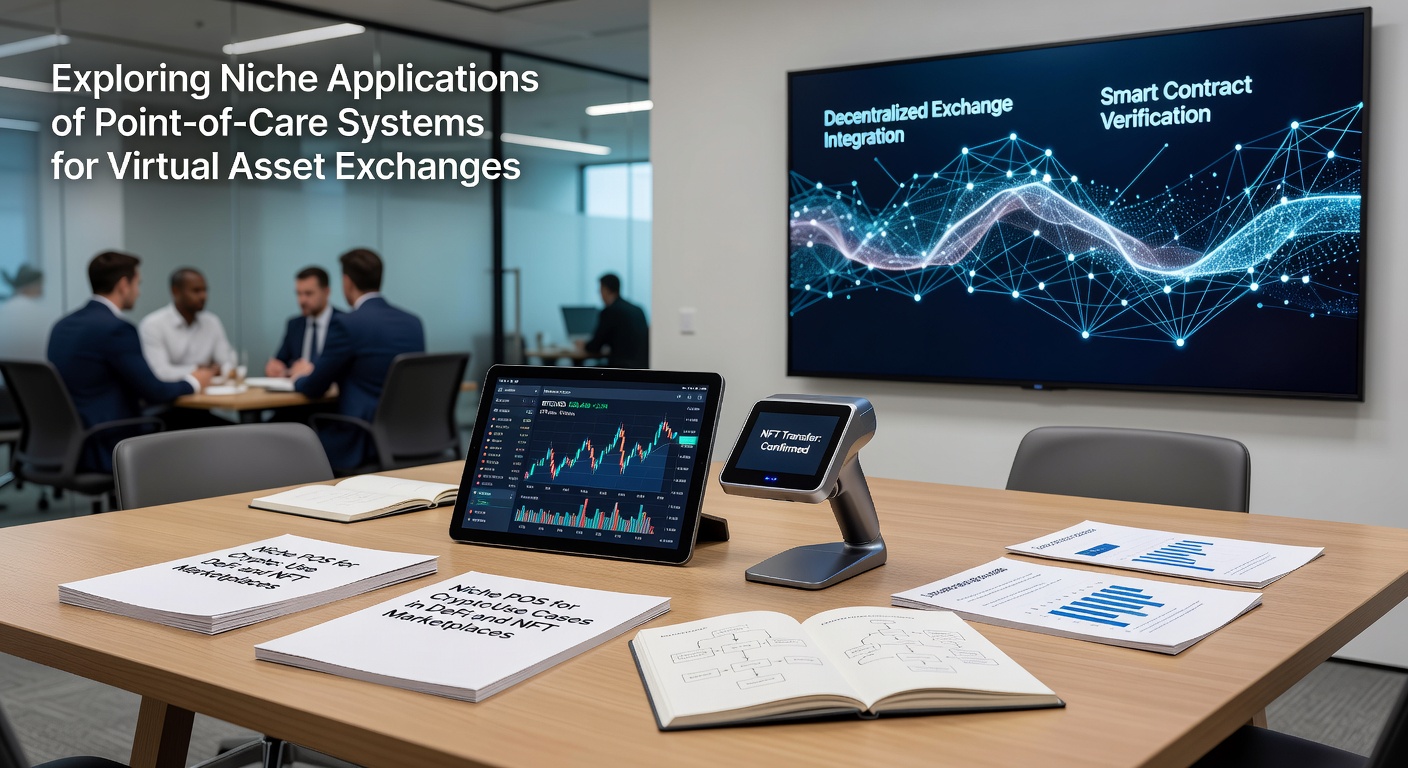
Point-of-sale systems adapted for virtual asset exchanges handle transactions that blend digital ledgers with traditional settlement methods, and these setups operate in environments where speed meets regulatory oversight. Operators deploy customized terminals at exchange counters or remote service points to process asset transfers while maintaining audit trails that satisfy oversight requirements.
Blockchain-Linked Terminals at Exchange Counters
Virtual asset exchanges install terminals that connect directly to distributed ledger networks, allowing staff to verify ownership and execute transfers on site without routing everything through centralized servers. Data from these devices updates wallet balances in real time, and transaction logs feed into compliance databases automatically. Observers note that such terminals reduce latency during high-volume periods, and they incorporate multi-signature protocols to distribute authorization across multiple parties.
Remote Verification Stations in Underserved Regions
Exchanges extend reach through portable units that function offline for initial data capture before syncing with main networks when connectivity returns. These stations capture biometric details and document scans locally, then apply encryption before transmission. Research indicates that operators in parts of Africa and Southeast Asia use these units to serve clients who lack access to full digital platforms, and the hardware withstands variable power conditions through built-in battery backups.
Regulatory frameworks in multiple jurisdictions require exchanges to maintain records of every asset movement, and specialized point-of-sale units embed logging features that timestamp each step. Staff complete customer identification checks at the device itself, and the system cross-references information against watchlists before approving any transfer.
Security Protocols Embedded in Hardware
Manufacturers equip terminals with tamper-resistant modules that store private keys separately from processing chips, and firmware updates occur through signed channels that prevent unauthorized alterations. When a device detects physical interference attempts, it triggers automatic key erasure and alerts central monitoring teams. Figures from industry analyses show that exchanges adopting these hardened units report fewer successful intrusion events compared with software-only solutions.

Integration with multi-factor authentication extends beyond standard PIN entry to include near-field communication tokens that staff carry separately from the terminal. This separation limits exposure if one component becomes compromised, and session timeouts activate after brief periods of inactivity to close open channels.
Adaptations for June 2026 Regulatory Shifts
By June 2026 several jurisdictions implemented updated reporting thresholds for virtual asset movements above certain values, and point-of-sale systems received firmware patches that flag qualifying transactions for immediate submission to oversight portals. Operators in Canada and Australia adjusted their terminal configurations to align with these changes, while maintaining compatibility with older ledger formats still in circulation. Bank for International Settlements reports detail how hardware-level automation supports consistent application of these rules across different exchange locations.
Case Deployments Across Geographic Markets
One operator in Eastern Europe configured terminals to handle both stablecoin settlements and local currency conversions at physical desks located near transport hubs. The units calculate exchange rates using live feeds from multiple liquidity sources, and they generate receipts that include QR codes linking to full transaction histories on public explorers. Another deployment in Latin America focuses on peer-to-peer facilitation where users present identification at the terminal and receive temporary wallet credentials for subsequent mobile access.
Hardware vendors supply modular components that allow exchanges to swap communication modules when moving between regions with differing network standards. Technicians perform these swaps on location without returning units to central facilities, and calibration routines verify accuracy before resuming service.
Conclusion
Point-of-sale adaptations continue to support virtual asset exchanges through hardware features that address verification, security, and connectivity challenges in varied settings. As regulatory expectations evolve, these systems incorporate automated compliance functions that keep pace with reporting demands while preserving operational continuity across physical and remote locations. European Central Bank analyses track how such technical measures contribute to broader stability in digital asset markets.