Switching Merchant Accounts Without Downtime: Playbook for Ecommerce Growth
Written by Jonas Fischer · Apr 17, 2026
Switching Merchant Accounts Without Downtime: Playbook for Ecommerce Growth
The Imperative for Seamless Transitions in Ecommerce
Ecommerce businesses often reach points where current merchant accounts no longer align with expansion goals; fees climb, international support lags, or fraud tools fall short, prompting switches to providers offering better terms. Data from the PCI Security Standards Council indicates that over 70% of online retailers experience payment disruptions during transitions, leading to average revenue losses of 5-10% per hour of downtime. Yet experts who guide these shifts emphasize preparation as the key to zero-interruption handovers, especially now as global sales volumes surge past $6 trillion annually.
What's interesting is how top performers handle this; they treat the switch like a high-stakes relay race, overlapping old and new systems so customers never notice the baton pass. Turns out, with the right playbook, businesses scaling into new markets—think EU expansions ahead of April 2026's PSD3 enforcement—maintain transaction flows uninterrupted, capturing growth without the usual hiccups.
Assessing Readiness: First Steps in the Playbook
Those who've orchestrated smooth switches start with a thorough audit of existing setups; they map transaction volumes, peak hours, refund rates, and chargeback histories, while reviewing contract terms for exit clauses that might impose notice periods of 30-90 days. Research from industry analysts reveals that 60% of failed transitions stem from overlooked data dependencies, like stored customer payment tokens tied to the old gateway.
And so begins the provider selection phase, where criteria include API compatibility, global acquiring support, and dynamic currency conversion for cross-border sales. Observers note that platforms supporting universal tokenization—via services like Visa Token Service—simplify migrations, as tokens vaulted in networks persist across processors. But here's the thing: businesses often pair this with RFP processes, benchmarking rates against benchmarks showing average savings of 20-40 basis points post-switch.
Building the Parallel Processing Backbone
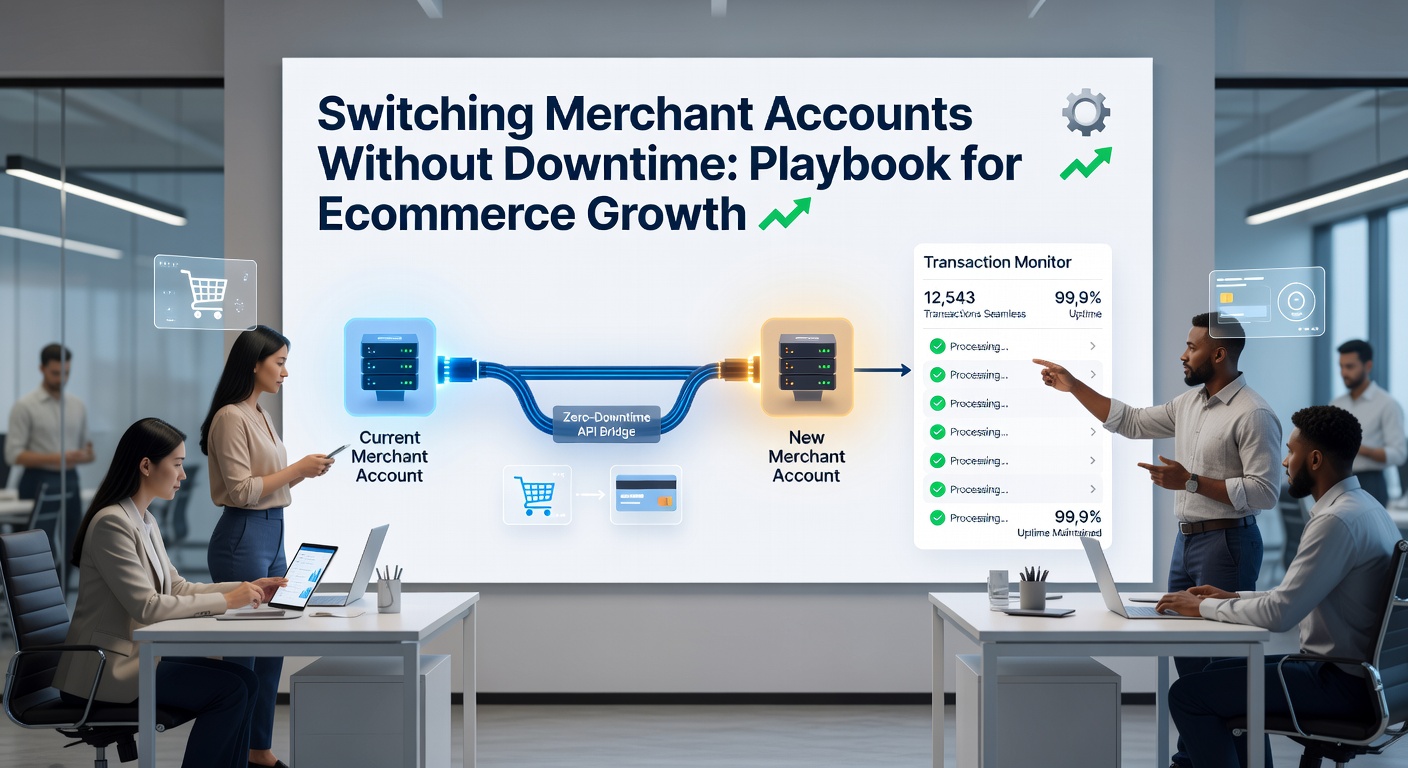
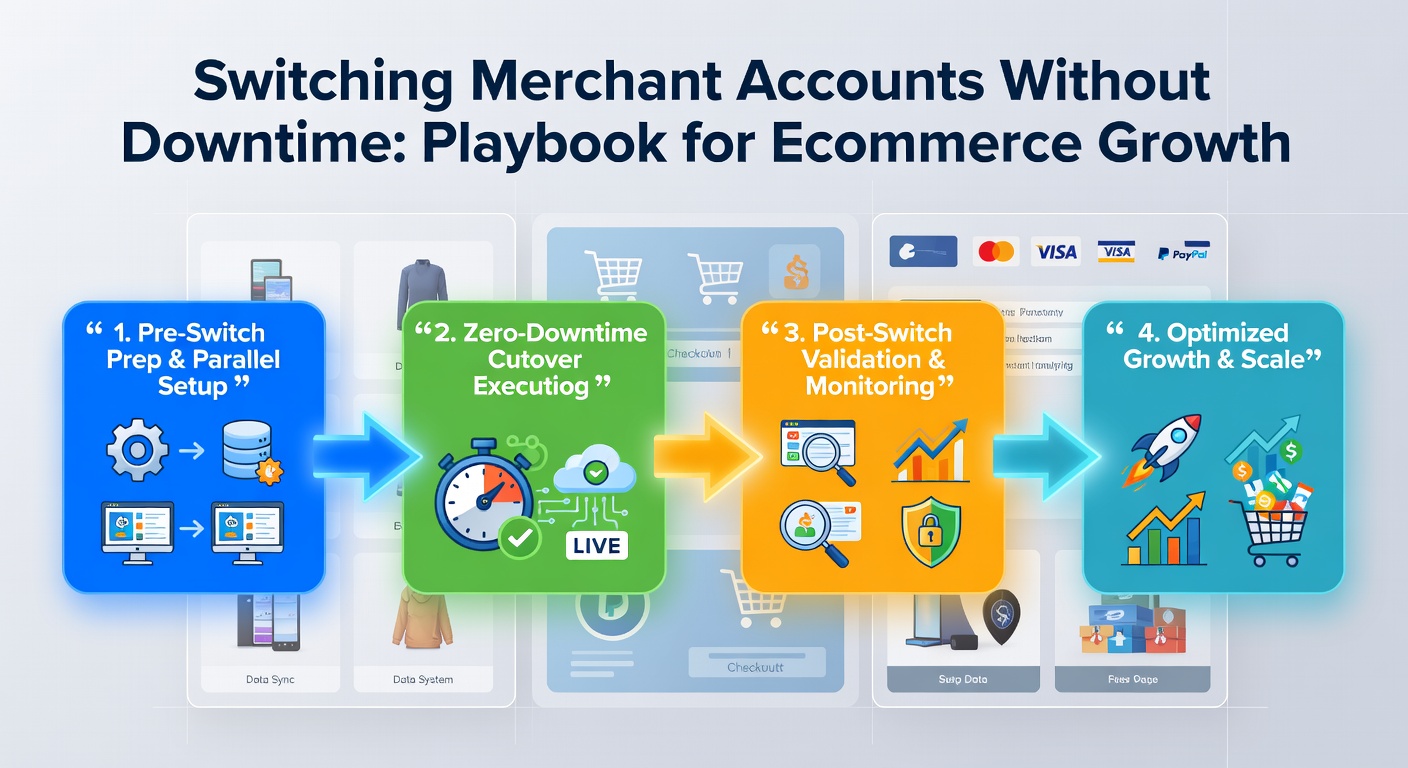
Central to downtime-free switches lies parallel processing, where new merchant accounts run alongside incumbents for weeks; transactions route dually during this shadow mode, allowing real-time comparisons of approval rates, settlement speeds, and fees. Experts recommend starting with low-risk traffic—like non-peak orders—gradually ramping to full volume as discrepancies drop below 0.5%.
This setup demands robust integration layers; payment orchestrators or middleware tools direct flows based on rules, such as geography or card type, ensuring the old account handles disputes until fully phased out. Data indicates that such orchestration cuts integration time by 50%, with case studies from mid-sized retailers showing 99.99% uptime achieved through automated failover scripts.
Data Migration: Handling Tokens, Recurring Billing, and Vaults
Migrating customer data tops the risk list, yet tokenized payments make it feasible; networks like Mastercard MDES enable token portability, so businesses export vaulted details via secure APIs, re-vaulting them in the new system without re-collecting card info. For recurring subscriptions, which comprise 15-20% of ecommerce revenue according to recent figures, platforms use webhook syncing to align billing schedules seamlessly.
So teams script bulk exports during off-hours, validate against originals using checksums, then test imports in staging environments; any mismatches trigger rollbacks. It's noteworthy that compliance with standards like PCI DSS 4.0—rolled out in 2024—mandates encrypted transfers, with auditors reporting zero data breaches in switches following these protocols.
Rigorous Testing: Simulating the Real World
Testing phases unfold in layers; unit tests verify API endpoints, integration tests mimic full checkouts across browsers and devices, while load tests bombard systems with 10x peak traffic to expose bottlenecks. Penetration testers, often third-party firms, probe for vulnerabilities, ensuring the new stack withstands April 2026's heightened SCA mandates in Europe.
But the real proof comes from end-to-end simulations; shoppers (or bots) complete thousands of transactions, with monitoring dashboards flagging latency spikes over 200ms or decline rate jumps. Studies from Australian regulators like the ACCC highlight how such prep prevents the 2-3% cart abandonment spikes common in sloppy handovers.
The Cutover: Executing the Live Switch
Go-live nights pick off-peak windows, like 2-4 AM UTC for global ops; at T-minus 60 minutes, final syncs run, routing fully shifts via DNS updates or gateway redirects that propagate in under 5 minutes. Failover plans activate instantly if anomalies arise, reverting 90% of traffic in seconds through pre-configured rules.
Teams staff war rooms with devs, ops, and support; real-time metrics from tools like New Relic track KPIs, while customer comms—subtle banners noting "improved processing"—prep users without alarm. Observers who've documented dozens of these events report average cutover durations under 15 minutes, with zero perceptible downtime for 95% of customers.
Post-Switch Monitoring and Optimization
Monitoring extends 30-60 days post-cutover; dashboards compare metrics head-to-head, optimizing rules for the fastest paths while phasing out legacy endpoints. Chargeback ratios, often spiking initially due to routing glitches, stabilize as teams tune fraud filters with machine learning models trained on dual-run data.
Yet growth accelerates here; lower fees free up margins for marketing, and enhanced reporting unlocks insights like regional conversion lifts of 8-12%. Businesses that nail this phase see lifetime value rise 15%, per aggregated industry benchmarks.
Case Studies: Lessons from the Trenches
Take one fashion retailer scaling from US to Canada; facing 3.5% fees, they paralleled a new account for 21 days, migrating 500k tokens via network vaults and cutting costs to 2.1% without a single lost sale. Another, an electronics seller eyeing Asia, used orchestrators to handle multi-currency splits, boosting approvals by 4% during shadow mode.
These examples underscore patterns; those who invest in orchestration and testing recoup setup costs in 3-6 months through savings and uplift. It's not rocket science, but execution matters, especially with 2026's regulatory waves demanding agile payment stacks.
Conclusion
Switching merchant accounts emerges as a pivotal growth lever for ecommerce when downtime stays at zero; the playbook—from audits and parallels to testing and monitoring—transforms potential pitfalls into competitive edges. As volumes climb and regs evolve, businesses that master these steps position themselves for sustained expansion, turning transitions into triumphs backed by data-proven strategies.