Unpacking Liquidity Cycles When Boutique Retailers Blend Mobile Rails with Virtual Asset Options in Cross-Border Trade
Written by Parker Bennett · Jul 22, 2026

Unpacking Liquidity Cycles When Boutique Retailers Blend Mobile Rails with Virtual Asset Options in Cross-Border Trade
Boutique retailers operating across borders have started integrating mobile payment rails with virtual asset options and this shift has produced distinct patterns in liquidity cycles that observers track closely through settlement data and transaction timing records. Research from multiple financial monitoring bodies shows that these blended systems alter how cash moves between suppliers, platforms, and end markets, particularly when transactions span regions with differing regulatory frameworks and banking hours.
How Blended Rails Reshape Settlement Timing
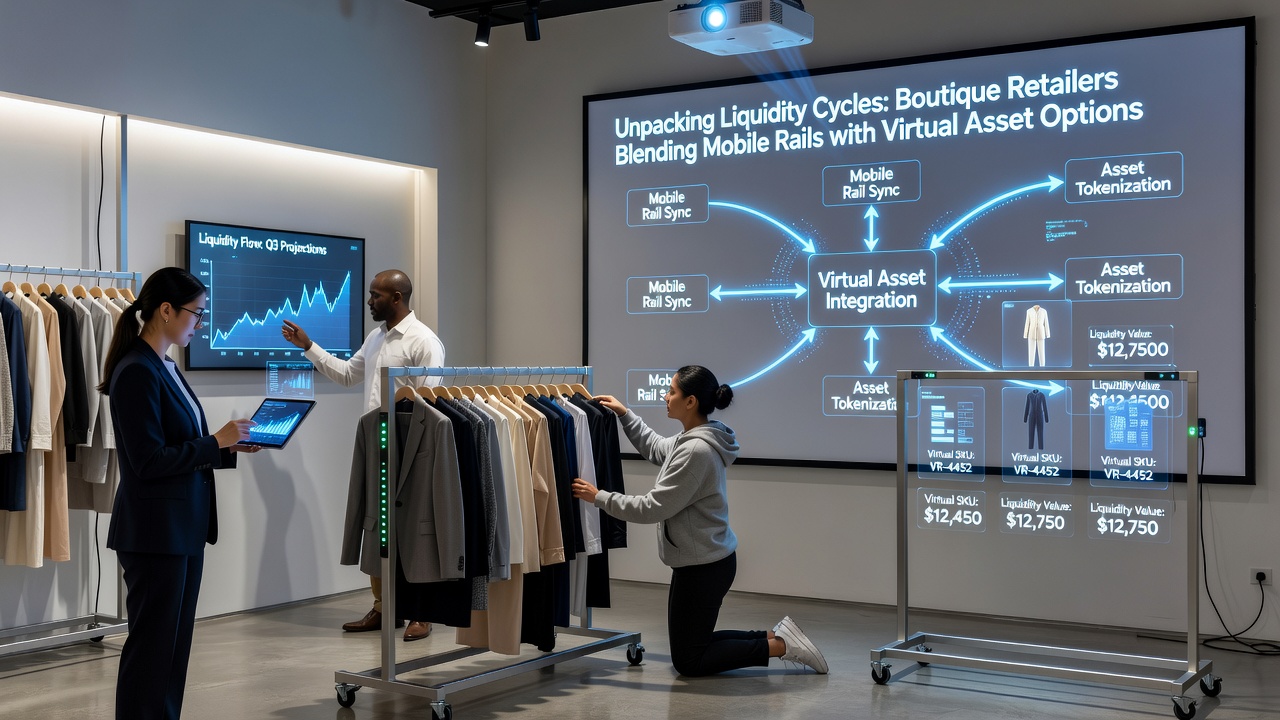
Traditional cross-border flows rely on correspondent banking chains that often stretch settlement over several days, yet mobile rails combined with virtual asset transfers compress those windows to minutes or hours in many documented cases. Data from the Bank for International Settlements indicates that hybrid setups allow boutique operators in emerging markets to receive funds faster and reinvest them before currency fluctuations erode margins. Those who've examined transaction logs note that liquidity peaks occur when mobile confirmations align with virtual asset network confirmations during overlapping business hours across time zones.
Retailers in Southeast Asia and parts of Latin America have reported cycles where incoming mobile payments fund virtual asset purchases that then convert into local currency at destination banks within the same trading day. This synchronization reduces idle balances that previously sat in intermediary accounts, and figures from July 2026 show measurable increases in daily turnover rates for firms using these methods compared with single-rail approaches.
Regional Variations in Liquidity Patterns
European boutique retailers blending these rails encounter different constraints because virtual asset rules vary by member state while mobile options remain fragmented. Observers note that firms routing through licensed virtual asset service providers alongside established mobile networks experience steadier liquidity during off-peak banking periods. In contrast, operators in Africa leverage widespread mobile money platforms that interface directly with crypto exchanges, creating shorter cycles that match agricultural or artisanal production schedules.
Canadian and Australian exporters have adopted similar stacks, according to industry reports, and they time conversions to coincide with favorable exchange windows that mobile apps now highlight automatically. The result appears in aggregated trade statistics as reduced variance in working capital needs month to month.
Inventory and Supplier Payment Effects
Shorter liquidity cycles directly influence how boutique retailers manage inventory replenishment. When funds arrive faster through combined rails, buyers place smaller, more frequent orders that reduce storage costs and spoilage risks for perishable or trend-sensitive goods. Studies compiled by the OECD highlight cases where apparel and artisanal product vendors in multiple countries adjusted reorder points after implementing these systems, leading to steadier supplier relationships without large advance payments.
Yet compliance checkpoints remain because each rail carries separate reporting obligations. Retailers must reconcile mobile transaction identifiers with blockchain hashes and virtual asset wallet records before funds clear into operating accounts. Those who've reviewed audit trails find that automated reconciliation tools cut manual review time while preserving the speed gains that originally attracted operators to blended rails.
Future Tracking of Cycle Metrics
Financial analysts continue to monitor volume-weighted average settlement times across blended networks as adoption widens. July 2026 datasets reveal that retailers maintaining balanced exposure to both mobile and virtual asset channels experience fewer liquidity squeezes during currency volatility spikes. Regulatory bodies in the United States and the European Union have begun publishing comparative tables that track these metrics alongside traditional wire transfer benchmarks.
Conclusion
Boutique retailers blending mobile rails with virtual asset options generate measurable shifts in liquidity cycle length and predictability across cross-border trade. Settlement data, regional case examples, and compliance records together demonstrate that timing alignment between rails determines how quickly working capital turns over and how inventory decisions adapt. Continued observation of these patterns through official statistical releases will show whether the observed compression in cycle duration holds as volumes grow and regulatory frameworks evolve.