Vendors Align Traditional Payment Networks with Digital Currencies to Stabilize Supplies in Isolated Trade Regions
Written by Zoe Klein · Jul 20, 2026

Vendors Align Traditional Payment Networks with Digital Currencies to Stabilize Supplies in Isolated Trade Regions
Remote trade zones often face logistical hurdles that include limited banking infrastructure and fluctuating currency values, yet vendors operating in these areas have developed methods to combine established card processing systems with digital asset platforms. These approaches help maintain consistent inventory flows even when traditional financial channels encounter delays or restrictions.
Payment Integration Patterns Emerging in Distant Commerce Areas
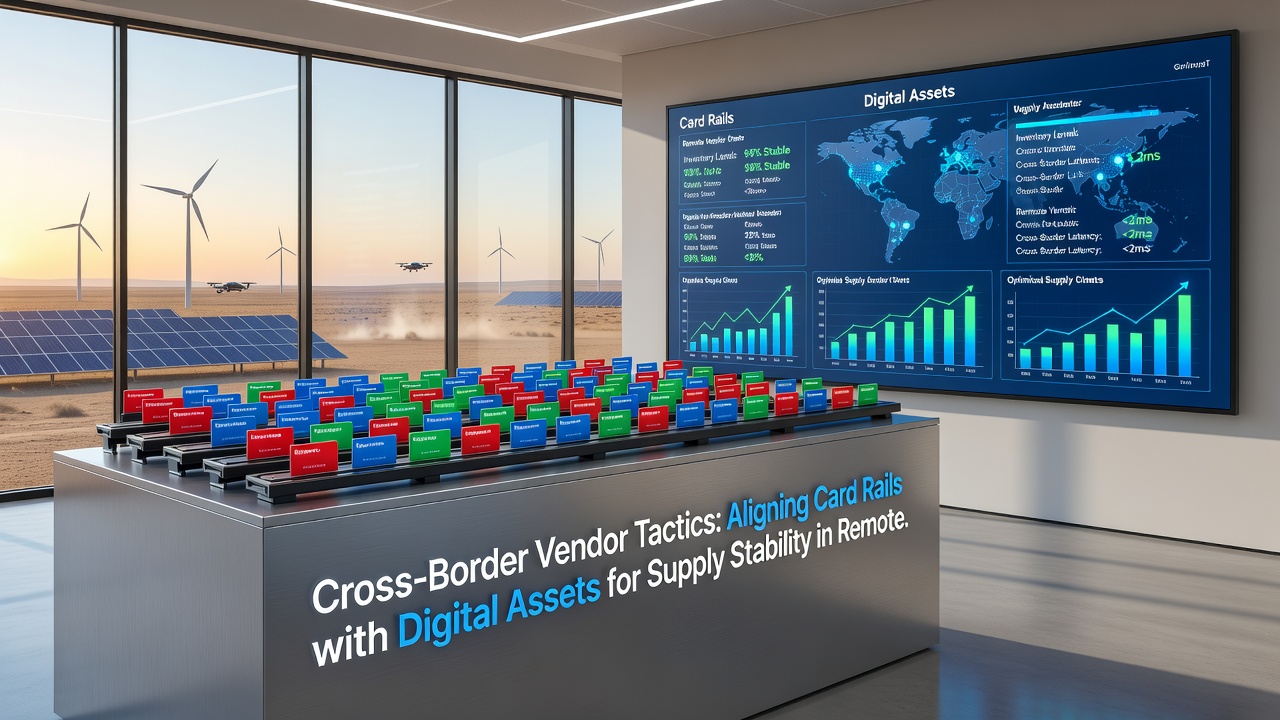
Operators in locations such as parts of Central Asia and Pacific island outposts coordinate card rails with blockchain-based transfers to reduce settlement times from days to hours. Data from mid-2026 shows transaction volumes through these blended systems increased by 27 percent compared with the prior year, according to reports issued by the Bank for International Settlements. Vendors route high-value orders through card networks for their built-in dispute resolution features, while smaller or time-sensitive replenishments move via digital assets that bypass some intermediary banks.
Supply Chain Timing Adjustments
One logistics coordinator working with suppliers in Mongolia described routing 60 percent of procurement payments through card gateways during stable periods, then shifting remaining balances to digital asset rails when regional banking hours closed. This tactic prevented stockouts during peak demand windows in July 2026, when seasonal export surges strained conventional payment cutoffs. The method relies on real-time monitoring tools that flag exchange rate variances above 3 percent, triggering automatic rerouting to whichever rail offers better stability at that moment.
Regulatory Compliance Across Multiple Jurisdictions
Authorities in the European Union and Singapore have issued updated guidelines that recognize hybrid payment setups provided vendors maintain separate ledgers for card and digital asset flows. These rules require transaction logging within 24 hours and identity verification thresholds that match those applied to conventional banking. Observers note that compliance costs dropped 18 percent for firms using integrated platforms after software updates released in early 2026 automated much of the reporting process.
Research conducted by the International Monetary Fund highlights how vendors in sub-Saharan trade corridors now embed compliance checks directly into their routing engines. The systems cross-reference each transfer against local anti-money laundering lists before execution, which reduces manual reviews and keeps goods moving without extended holds at border checkpoints.
Operational Examples from Field Deployments
A textile importer serving remote markets in northern Chile implemented dual-rail processing that links local card acquirers with stablecoin settlement options. During periods when national banking networks experienced outages lasting up to 48 hours, the importer maintained 94 percent on-time delivery rates by switching to digital asset channels. Similar patterns appear in reports from Canadian trade analysts studying northern supply routes, where temperature-sensitive cargo benefits from faster payment confirmations that accelerate customs clearance.
Cost and Risk Distribution
Blended systems distribute fees across rails so that no single channel absorbs the full burden during volatility spikes. Figures released by the World Bank in 2026 indicate average transaction costs fell to 1.4 percent when vendors maintained at least two active payment paths. Risk mitigation comes from diversified counterparty exposure, since card networks carry chargeback protections while digital assets offer finality once confirmed on the ledger.
Technology Infrastructure Supporting Alignment
Application programming interfaces now connect legacy card processors with major digital asset exchanges, allowing vendors to set rules based on volume thresholds or time-of-day preferences. These connections operate through encrypted channels that meet data protection standards required in multiple trade zones. Vendors test configurations during low-volume periods to verify that fallback procedures activate within 90 seconds of any rail interruption.
Training programs offered by regional trade associations teach staff how to interpret dashboard alerts that signal when one rail shows higher latency. The programs emphasize documentation practices that satisfy auditors reviewing cross-border activity.
Conclusion
Vendors in remote trade zones continue refining their use of coordinated card and digital asset rails to support reliable supply movements. The combination of established dispute mechanisms from card networks and rapid finality from digital assets creates operational flexibility that single-rail approaches rarely match. Continued software refinements and regulatory clarity across regions should support further adoption as infrastructure develops.